Rallio – Social Media for Franchises, Small & Local Business

Categories
Social Uncategorized

Introducing the Rallio AI Assistant: Smarter, Faster, More Strategic Brand Management

Rallio is unveiling the newest addition to its AI suite. Previously, our AI was already empowering brands with review responses, content creation, comprehensive analytics, and image generation. Now, we’re taking things to the next level with the Rallio AI Assistant—a tool designed to transform the way multi-location brands manage and understand their digital presence.

Overview

The Rallio AI Assistant makes brand management smarter, faster, and more intuitive. By surfacing insights from across Analytics, Content, Community, and Reputation, the Assistant eliminates the need to dig through multiple dashboards and metrics. Instead, it delivers instant clarity, actionable recommendations, and context-aware conversations that save time and drive smarter decision-making.

Key Features

1. Unified Data Access

The Assistant connects to four powerful Rallio data sources: Analytics, Content, Community, and Reputation.

  • Accessible via natural chat prompts or category tiles
  • Returns summarized insights with clear next steps

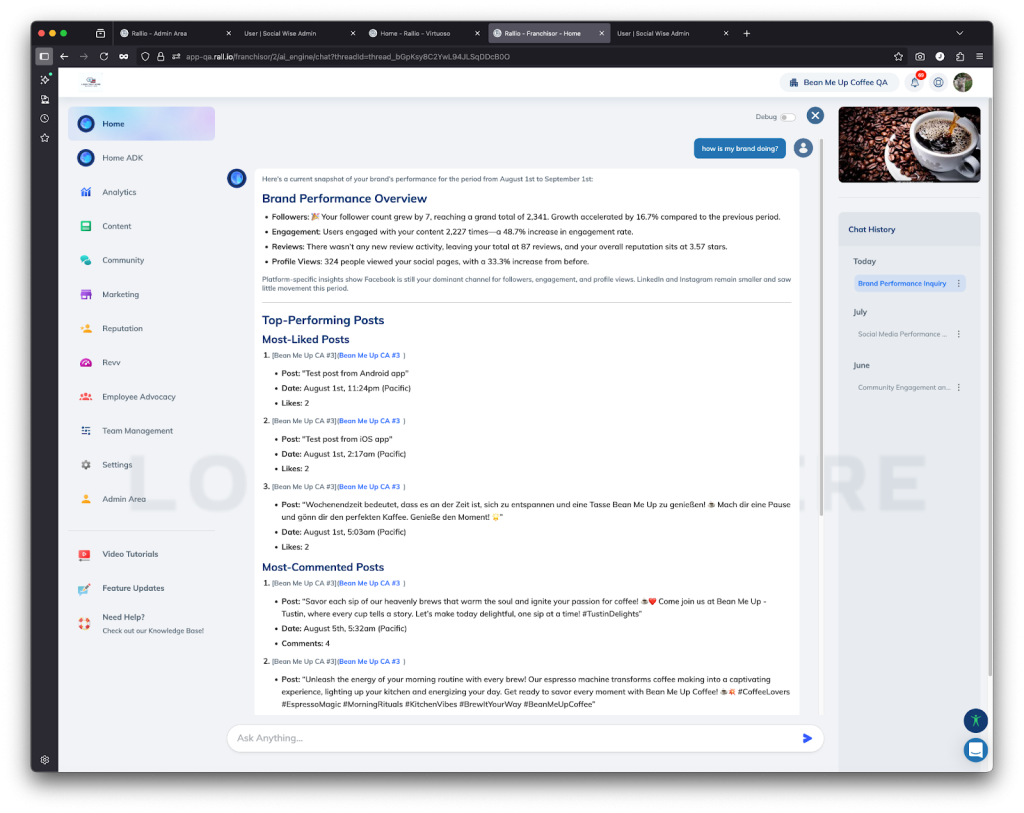
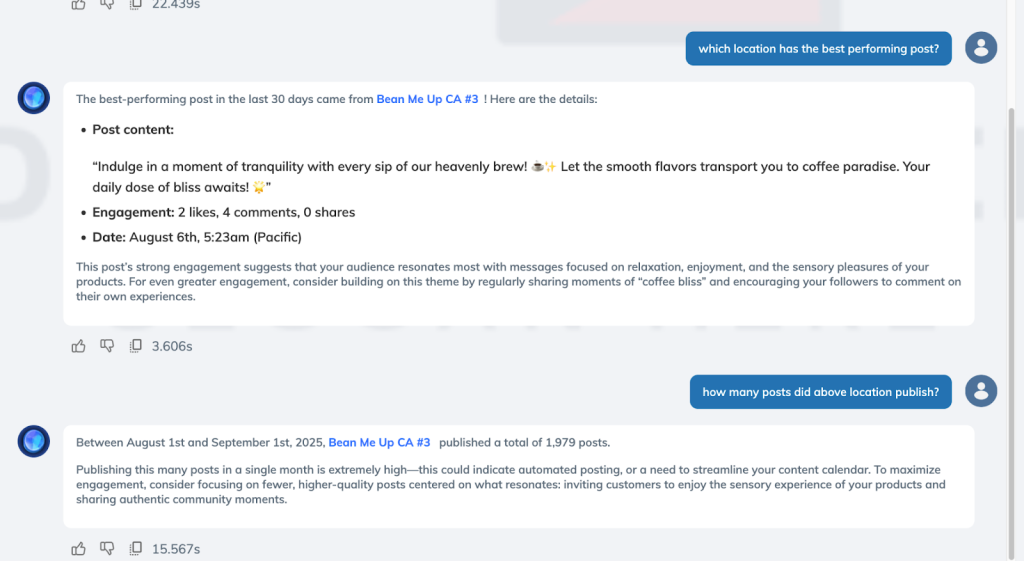
Example: Ask, “How is my brand doing?” and instantly receive a Brand Performance Overview, Top-Performing Posts, and tailored recommendations—all in one streamlined response.

Example: Ask, “How is my brand doing?” and instantly receive a Brand Performance OverviewTop-Performing Posts, and tailored recommendations, all in one streamlined response.

2. Conversational Intelligence

The AI Assistant is built for natural, back-and-forth conversations:

  • Ask questions at either the brand-wide or location-specific level
  • Context-aware sessions adapt to your previous questions and answers
  • Saved sessions allow you to pick up right where you left off

3. Actionable Summaries

Instead of overwhelming dashboards, the Assistant condenses complex data into easy-to-understand insights with recommendations you can act on immediately. Its goal is not to surprise you with new numbers, but to:

  • Surface what matters most
  • Simplify complexity
  • Provide actionable next steps

4. Competitive Comparison – Flagship Feature

Stay ahead of your market by asking: “How am I doing compared to my local competition?”
The AI generates a side-by-side competitor report, including:

  • A list of local competitors
  • Review, rating, and reputation comparisons
  • Strategic recommendations to help you outperform competitors

This shifts passive data into proactive strategy.

5. Reputation Summary

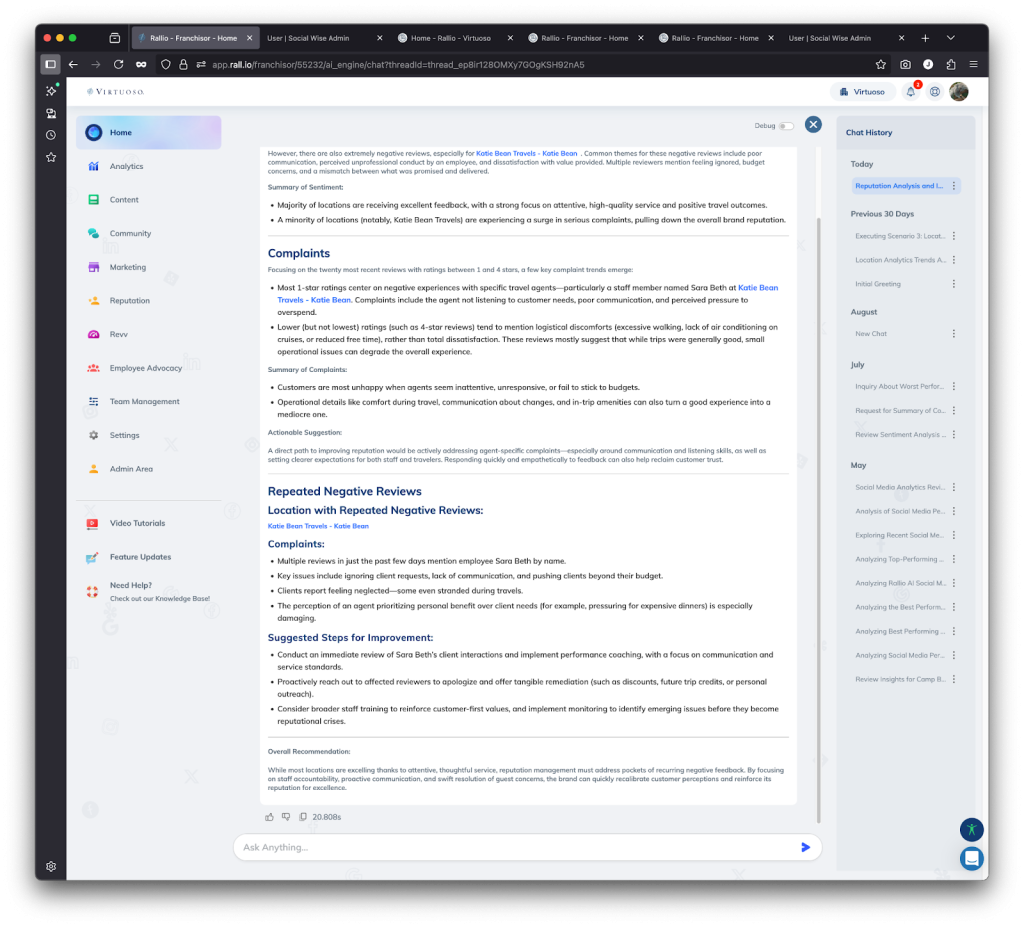
The Assistant also delivers a comprehensive, high-level overview of your brand’s reputation, including:

  • Aggregated review insights
  • Prioritized recommendations to strengthen presence and trust

Why It Matters

The AI Assistant doesn’t create “new” data; it unlocks the value of your existing Rallio insights by making them faster to find, eliminating the need to dig through multiple tabs and reports. It also makes them easier to understand by translating complex metrics into plain-language insights. Every response is action-driven, providing clear recommendations for improvement, while competitive comparisons ensure your strategy remains focused and effective at winning locally.

Final Word

The Rallio AI Assistant is more than just another feature; it’s a game-changing step forward in how brands connect with their data and their audiences. By combining conversational intelligence with actionable insights, it empowers you to make smarter, faster, and more strategic decisions across every location you manage.

Categories
Social Uncategorized

Why Brand Guidelines Matter: How to Build a Strong Brand Identity

Imagine walking into your favorite coffee shop in a new city and feeling right at home because everything, from the logo on the cup to the friendly greeting, is familiar. That’s the power of strong brand guidelines at work.

In this blog, Cortney DeGruccio, Senior Account Specialist, will explain why maintaining your brand guidelines and staying consistent at every opportunity isn’t just nice… it’s essential for success.

What You’ll Learn:

Expert Opinion on Brand Guidelines

Brand guidelines are the set of rules and standards that define how your brand looks, sounds, and presents itself across every platform and touchpoint. Think of them as an instruction manual that ensures everyone representing your brand does it in a way that customers recognize and trust.

In our digital, multi-platform world, your brand will appear on Instagram, Facebook, Google, your website, email campaigns, printed materials, and more… all in the same day. Without clear guidelines, you risk your brand being misinterpreted. This creates confusion that can weaken your overall impact.

This challenge becomes even more critical for multi-location businesses and franchises, where different people create content under your brand name. Brand standards ensure that whether a customer encounters your brand in Seattle or Miami, online or in-store, they have the same quality experience.

What Are Brand Guidelines?

Brand guidelines, sometimes called a brand guide or brand standards document, serve as the official rulebook for how your brand presents itself to the world. They cover everything from the exact colors in your logo to the tone of voice you use in social media posts.

A comprehensive brand guide typically includes several key components:

  1. Visual Identity: Defines your logo variations, color palette, typography, imagery style, and any graphic elements that make your brand recognizable.
  2. Brand Voice and Messaging: Establishes the personality that comes through in your words, the values you stand for, and how you communicate with different audiences.
  3. Practical Usage Rules: Shows the right and wrong ways to use your brand elements so nothing looks off-brand or unprofessional.
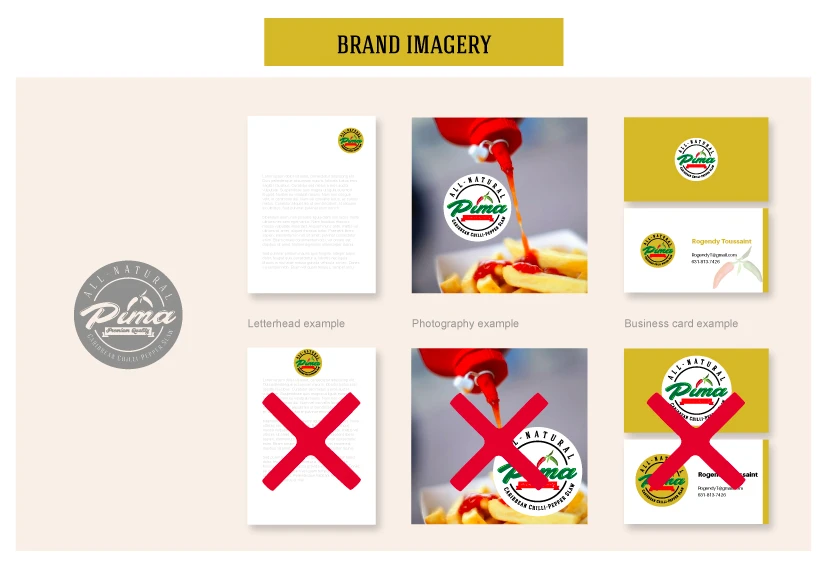
Example of a brand guidelines template
Source: Example of a brand guidelines template.

Brand guidelines are the difference between a brand that looks polished and professional versus one that appears disorganized and unreliable. Studies have shown that consistent brand presentation across all platforms increases revenue by up to 23%. That’s a significant return on investment for simply staying consistent!

Why Brand Guidelines Matter

Developing brand standards is vital to establishing a strong brand identity. Here are some reasons why:

Example of brand guidelines
Source: Example of brand guidelines.

Build Recognition and Trust

It takes 5 to 7 impressions for people to remember a brand. When your audience sees the same colors, logos, and styles repeatedly, they start to recognize your brand. If your brand looks different every time someone encounters it, you’re essentially starting from scratch with each impression rather than building on previous ones.

Support Consistent Communication

Your brand’s message matters just as much as its visual appearance. Brand guidelines establish a consistent voice and messaging framework that ensures your brand personality shines through whether someone reads an email, visits your website, or scrolls past your social media post. 

Help Teams Create Content Faster and More Accurately

Without clear guidelines, content creators face constant decision-making: Which logo version should I use? What colors are approved? How formal should this caption sound?

These questions slow down content creation and often lead to inconsistent results. Brand guidelines eliminate guesswork by providing clear answers to these questions. This is especially valuable for multi-location businesses where multiple people create content simultaneously across different markets.

Protect the Brand from Inconsistencies or Misuse

Your brand is one of your most valuable business assets. Just like you’d protect physical property, you need to protect your brand from dilution or misuse. This protection ensures that your brand maintains its integrity and professional appearance across all uses.

Create a Stronger, More Unified Brand Presence 

When all your marketing materials, locations, and digital platforms align with your brand identity, you create a powerful unified presence. This makes your brand appear more professional, established, and trustworthy… qualities that directly influence consumer spending decisions.

Improve Customer Perception and Trust

Ultimately, all these benefits combine to improve how customers perceive and trust your brand. Consistency signals reliability, professionalism, and attention to detail. When customers know they’ll receive the same quality experience regardless of which location they visit or which platform they engage with, their trust in your brand deepens.

Core Elements of Brand Guidelines

Creating effective brand guidelines means covering all the essential elements that define your brand identity. Here are the core components every comprehensive brand guide should include.

Visual Identity

Your visual identity encompasses all the visual elements that make your brand recognizable. This section of your brand guidelines should include:

  • Logo Specifications: Include all approved logo versions, minimum size requirements, clear space rules, and examples of incorrect usage.
  • Color Palette: List your primary and secondary brand colors with exact color codes for print (CMYK and Pantone) and digital (RGB and HEX) applications.
  • Typography: Identify approved fonts for headings, body text, and digital platforms, including web-safe alternatives when necessary.
  • Imagery Style: Create guidelines for photography and graphics, including preferred subjects, composition styles, filters, and the overall mood or aesthetic.
  • Graphic Elements: Don’t forget any patterns, icons, illustrations, or design elements that are part of your visual identity.
An example of a brand identity
Source: An example of a brand identity.

Messaging and Tone

Your brand voice is how your brand’s personality comes through in words. This section establishes how your brand communicates across different contexts:

  • Brand Voice Attributes: Define 3-5 key voice attributes with clear descriptions.
  • Tone Variations: How does your voice adapt to different situations?
  • Key Messages: Include core statements about what your brand stands for, what makes you unique, and the value you provide.
  • Vocabulary Guidelines: Identify words and phrases to use and ones to avoid.
  • Grammar and Style Preferences: Make clearer decisions about capitalization, punctuation, abbreviations, and formatting.
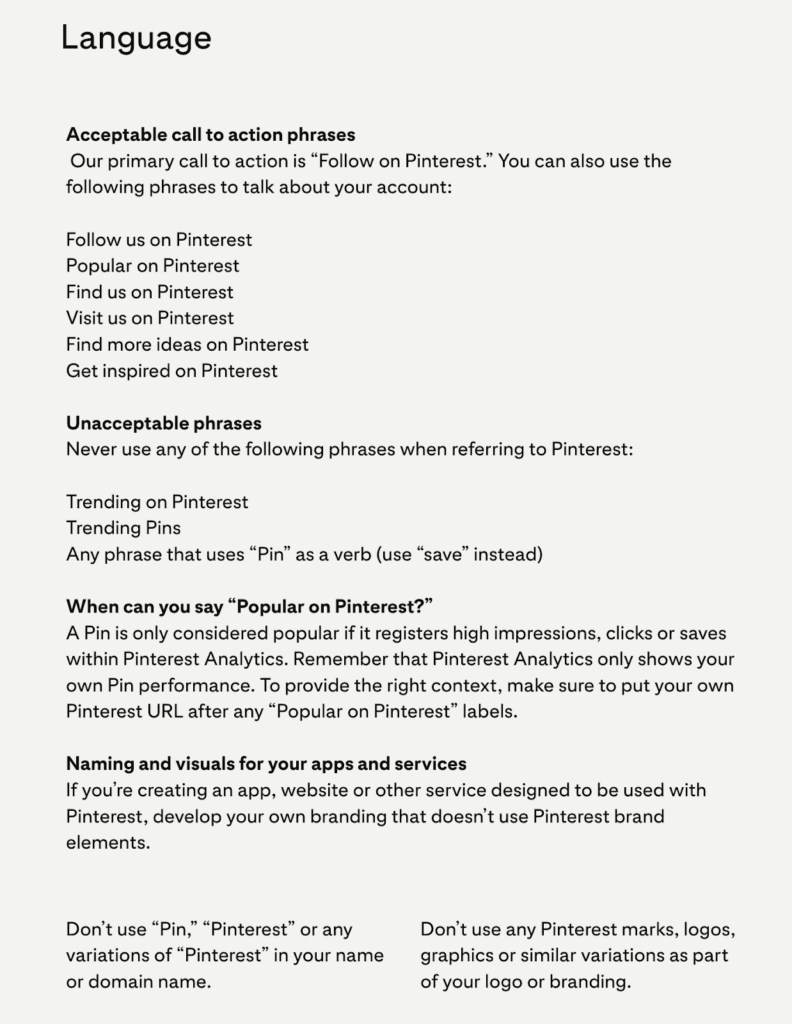
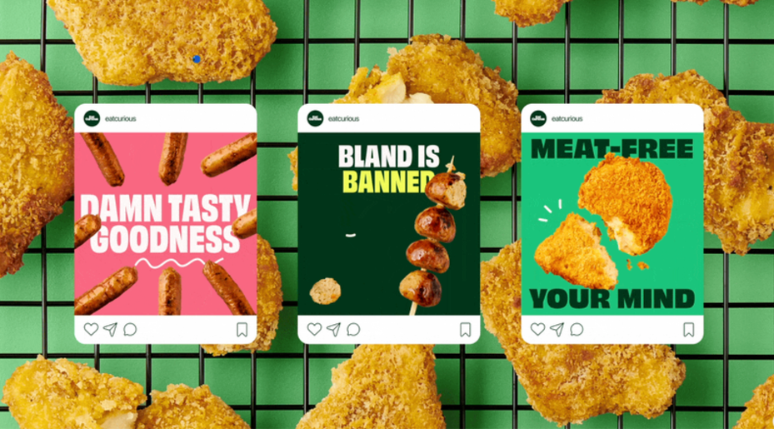
An example of Pinterest’s messaging and language guidelines
Source: An example of Pinterest’s messaging and language guidelines.

Asset Usage Rules

Clear usage rules prevent well-intentioned mistakes that can damage your brand identity:

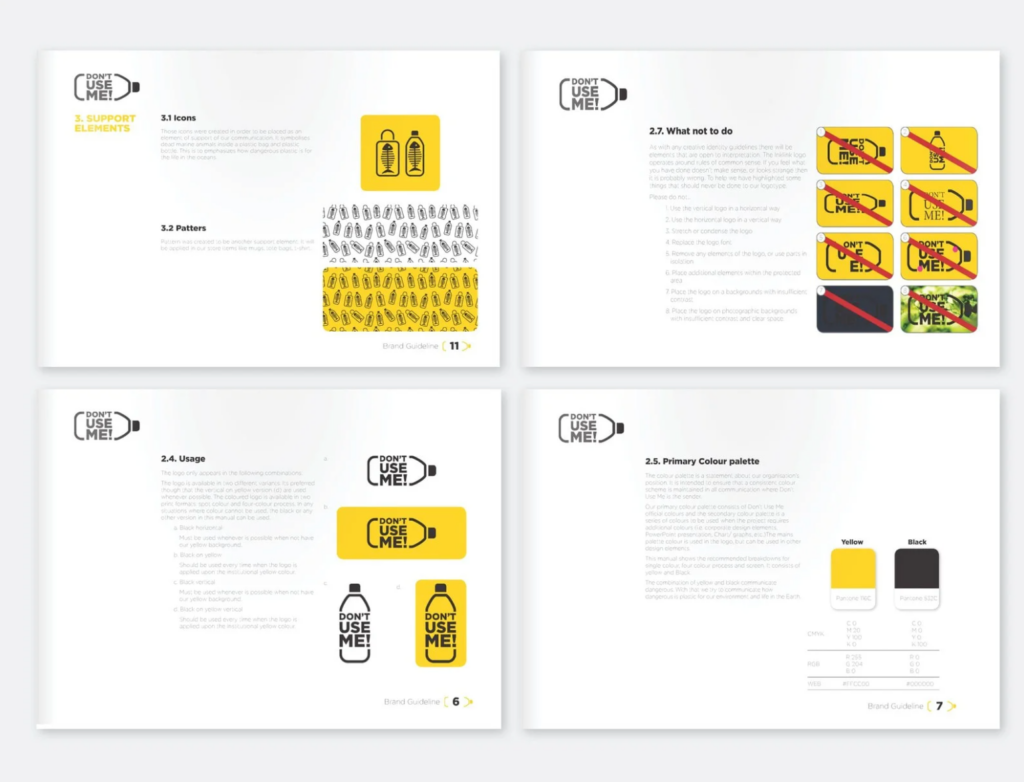
  • Dos and Don’ts: Include visual examples showing correct and incorrect ways to use your logo, colors, and other brand elements.
  • Application Guidelines: Explain how brand elements should appear on different materials. 
  • Partner and Co-Branding Rules: List guidelines for when your logo appears alongside other brands or sponsors.
  • Legal and Trademark Information: Highlight proper trademark symbols and legal language when required.
Examples of dos and don’ts
Source: Examples of dos and don’ts.

Guidelines for Digital and Social Content 

Don’t forget the guidelines for digital content, including:

  • Social Media Voice and Style: Include platform-specific guidance (LinkedIn might be more professional, while Instagram might be more visual and casual).
  • Profile and Cover Photo Standards: Ensure consistency across all social platforms.
  • Content Types and Formats: Implement guidelines for different content formats like Stories, Reels, posts, or videos.
  • Response Templates: Approve language for common customer interactions or frequently asked questions.
Social-specific brand guidelines
Source: Social-specific brand guidelines.

How to Create and Implement Brand Guidelines

Understanding how to create a brand guide might seem overwhelming, but breaking the process into clear steps makes it manageable. 

What to include in your brand guidelines
Source: What to include in your brand guidelines.

Define the Foundation

Start by clarifying the core elements that drive your brand, such as your mission, values, and brand personality. Think about your target audience and what matters to them. Your brand foundation should reflect the true heart of your organization.

Document Visual and Verbal Guidelines

Once your foundation is clear, determine the specific standards that bring your brand to life. Work with designers to finalize your visual identity elements, such as a logo, colors, fonts, and imagery style.

Next, work with your communications team to define your brand voice, key messages, and tone variations. Be as specific as possible. The more detailed your documentation, the more useful your guidelines become.

Example of documented visual and verbal guidelines
Source: Example of documented visual and verbal guidelines.

Provide Clear Examples

Abstract rules are hard to follow. Make your guidelines practical by including plenty of brand guideline examples, such as:

  • Showing approved logo uses and incorrect uses side-by-side.
  • Providing sample social media posts that demonstrate your brand voice.
  • Including examples of on-brand photography versus off-brand imagery.
  • Creating mock-ups showing how your brand should appear on different materials.

Centralize Everything in an Accessible Location

Your brand guidelines only work if people can find and use them easily. Create a central, accessible location where everyone who needs the guidelines can access them anytime.

Train Internal Teams, Franchisees, or Partners

Once your brand guidelines are created, share them with your team. Conduct training sessions for internal teams, franchisees, and marketing partners, where you walk through the guidelines together.

Help people understand that brand guidelines aren’t restrictions but tools that make their work easier and more effective. For multi-location brands, this training is especially critical because it empowers many different people to represent your brand consistently.

Share Resources and Templates

Make following the guidelines as easy as possible by providing ready-to-use resources, such as:

  • Templates for common materials such as social media graphics, email newsletters, presentations, and flyers
  • Access to logo files in various formats
  • Approved stock photo collections or graphic elements

Set Up an Approval Process or Point Person

Establish a clear system for reviewing content before it goes live, especially for high-visibility or permanent materials. For larger organizations, create a tiered approval system: routine content gets quick approval, while major campaigns receive more thorough review.

Having this accountability ensures that brand standards are consistently maintained rather than gradually diluted.

Encourage Consistent Adoption

Building a strong brand culture takes time and consistent reinforcement. Regularly remind teams why brand consistency matters and how it contributes to business success. The more you reinforce the value and importance of brand standards, the more naturally they’ll be adopted across your organization.

How Rallio Supports Brand Guidelines

For multi-location businesses and franchises, maintaining brand consistency across dozens or hundreds of locations presents unique challenges. This is exactly where Rallio’s platform delivers powerful solutions that make brand standards not just possible but effortless.

Rallio’s centralized content hub to support brand guidelines
Rallio’s centralized content hub to support brand guidelines.

Tools That Help Multi-Location Brands Stay Consistent

Rallio provides purpose-built tools explicitly designed for the challenges multi-location brands face. Rather than giving every location complete freedom or controlling everything from corporate office, Rallio creates the perfect balance. The platform enables brand consistency while allowing for local customization. 

AI-Driven Content That Follows Brand Voice and Visual Rules

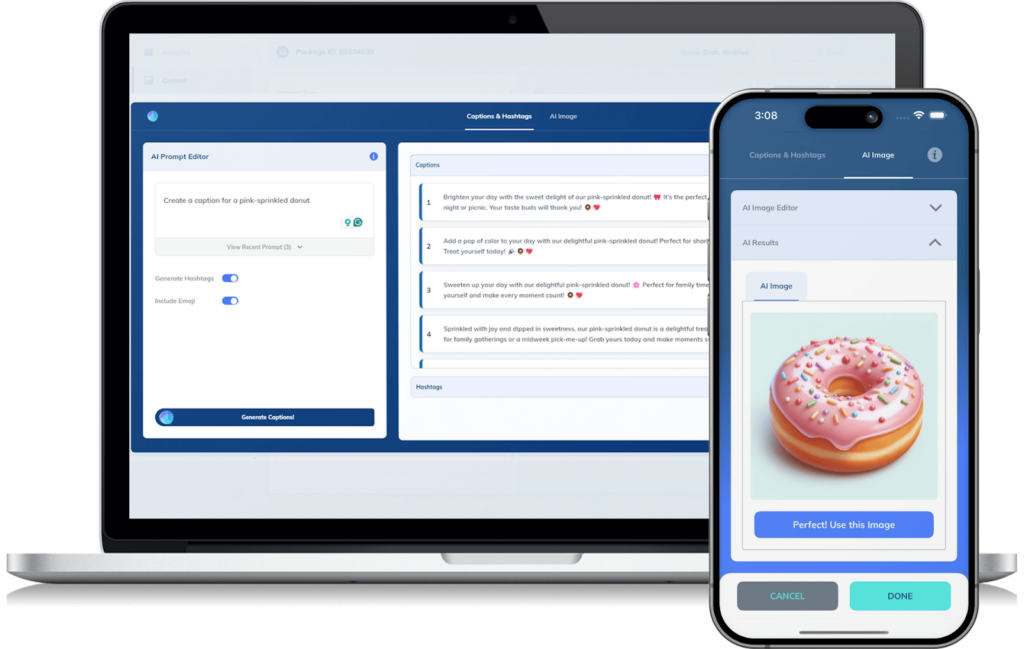
One of Rallio’s most powerful features is AI-generated content that automatically follows your established brand guidelines. By training the platform on your specific brand voice, messaging frameworks, and visual standards in the AI Playbook, Rallio can generate social media posts, captions, and content that sound authentically like your brand.

Localized Content That Stays On-Brand

Multi-location brands need content that feels locally relevant while maintaining overall brand consistency. Rallio enables this through innovative localization features that let locations customize approved content with local information, events, and promotions, while keeping the core brand elements intact. 

FAQs

1. What are brand guidelines?

Brand guidelines are a set of rules that explain how your brand should look, sound, and be presented across all platforms and materials. It’s a list of specifications like your logo, colors, fonts, messaging style, and how to use these elements correctly. These guidelines ensure everyone representing your brand creates consistent, professional content.

2. Why are brand guidelines important?

Brand guidelines ensure your brand appears consistent everywhere, which builds customer recognition and trust. Without clear guidelines, your brand’s look could vary, confusing customers and weakening your professional image.

3. What should be included in brand guidelines?

Your brand guidelines should include your visual identity (logo, colors, fonts, imagery style), your brand voice and messaging rules, and clear examples of correct and incorrect usage. They should also cover guidelines for digital and social media content, along with templates and resources that make creating on-brand content easy.

4. How do I make sure my team follows brand guidelines?

Train your team on the guidelines, make them easily accessible in a central location, and provide ready-to-use templates and resources. Make it easy for them to access and use the assets and regularly reinforce why consistency matters through positive examples and gentle corrections. 

Stay On-Brand with Rallio

Brand guidelines aren’t just nice-to-have documents that sit in a folder somewhere. They’re essential tools that protect your brand, build customer trust, and drive business results.

Ready to strengthen your brand consistency and make your brand guidelines work harder for your business? Rallio provides the tools and support multi-location brands need to stay on-brand, every time, everywhere.

Your brand deserves to be presented at its best. Let Rallio help make that happen.

Categories
Social Uncategorized

“Near Me” SEO Explained: Turn Local Searches Into Paying Customers

Ever Google “pizza near me” when you’re hungry? Those first few pizza shops that show up have optimized their content to win your “near me” search. If you’re running a brick-and-mortar business or are simply looking to get more local clients, you need to do the same.

In this blog, Phoebe Hudson, Senior Account Strategist, will tell you how you can optimize your content to capture the attention of these local searchers who are looking for what you’re selling – with their dollars in their hands!

What You’ll Learn:

Expert Opinion on “Near Me” SEO Strategy

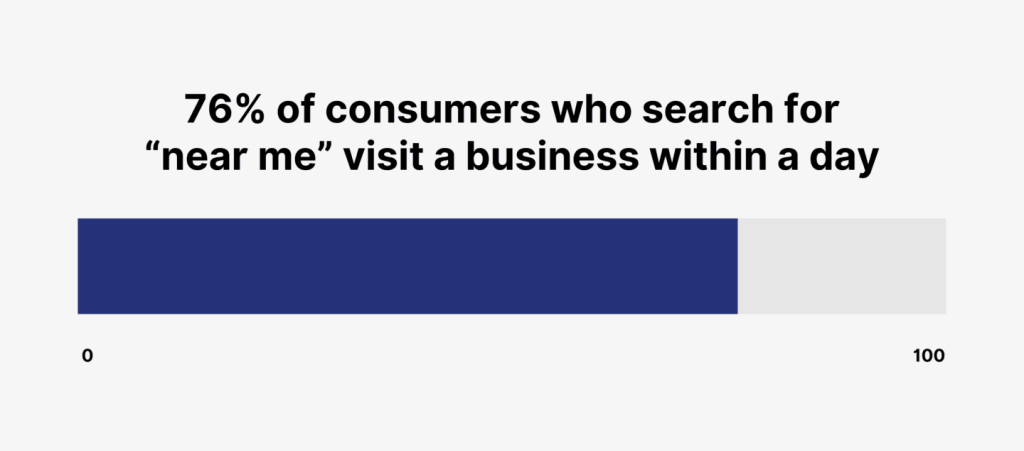
Local search behavior has changed everything about how small businesses compete online. According to digital marketing experts, 76% of consumers who search for businesses near them will visit one of those businesses within a day. This shift shows that customers don’t just want information anymore. They want it fast, and they want it nearby.

Image Source: Backlinko

Think about it. When someone searches for “coffee shop near me,” they’re not browsing. They’re thirsty and ready to spend money now. “Near me” keyword SEO is how you’ll get your business to be the door they walk through. 

Industry leaders agree: if you’re not showing up in these searches, you’re invisible to your best customers, the ones who are ready to buy.

Why “Near Me” Searches Matter

Near me searches aren’t simply informational like regular searches. These searches have serious intent behind them.

When someone types “plumber near me” into Google, they probably have a leak. These aren’t casual browsers. They’re customers ready to take action.

This intent-driven nature makes the near me SEO strategy incredibly valuable. As mentioned earlier, 76% of those searchers will take action within 24 hours. Even better? 28% of those searches result in a purchase.

The numbers don’t lie. Near me keywords SEO converts better than almost any other type of search.

Map-based searches are exploding, too. Google Maps gets over 2 billion users every month. Many of those users are searching for local businesses while they’re out and about. They’re on their phones, making quick decisions about where to spend their money.

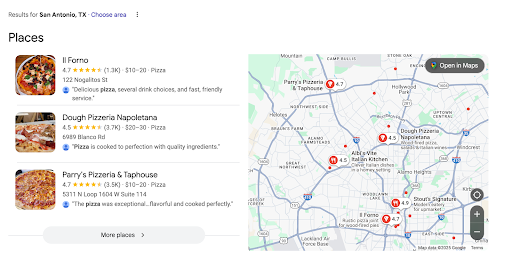
Local SEO keywords like “near me,” “close by,” and “nearby” trigger Google’s Map Pack. That’s the map section you see at the top of search results. Getting into that space means getting seen first.

Source: An example of Google’s Map Pack

How “Near Me” SEO Works

Google uses three main factors to determine which businesses appear in “near me” searches: relevance, distance, and prominence.

  1. Relevance refers to how well your business aligns with what someone is searching for.
  2. Distance is pretty simple. Google measures how far your business is from the person searching. The closer you are, the better your chances.
  3. Prominence is about how well-known and trusted your business is.

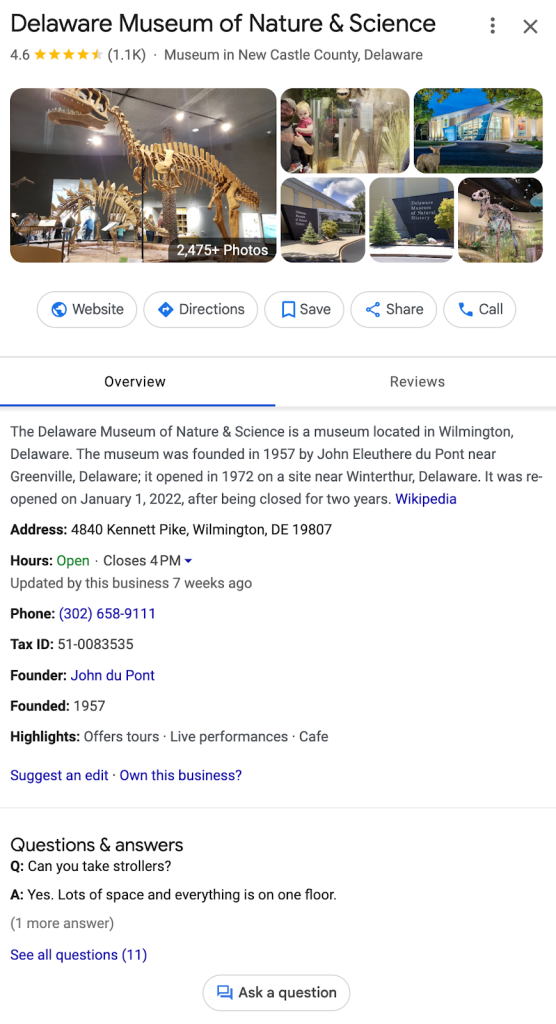
Your Google Business Profile (GBP) plays a huge role here. It’s the foundation of your near me SEO strategy. When your GBP is complete and accurate, Google trusts you more. More trust equals better rankings.

Example of Google Business Profile
Source: Example of Google Business Profile

NAP (Name, Address, Phone Number) consistency is also important. These three pieces of information must be identical everywhere online, including your website, Google Business Profile, Facebook, and Yelp.

Even small differences confuse Google. If your address is “123 Main St” in one place and “123 Main Street” in another, Google might think they’re different businesses. Consistency builds trust. Trust builds rankings.

Core Ways to Optimize Your “Near Me” Keywords SEO Strategy

Optimizing your content for “near me” searches isn’t particularly difficult, but it does require effort. Let’s dive into some of the ways you can increase your local traffic with a near me SEO strategy.

Claim and Optimize Your Business Listings

Start with Google Business Profile. If you haven’t already, claim your business’s profile and fill out every single field.

Add your business name, address, phone number, website, hours, and categories. Upload high-quality photos. Write a compelling business description that includes your local SEO keywords naturally.

Don’t stop at Google. Claim your business on Bing, Apple Maps, Yelp, Facebook, and industry-specific directories. The more accurately you show up in places, the stronger your local SEO becomes.

Use Consistent Location Data

NAP consistency is critical when learning how to rank for near me searches. Create a master document with your exact business name, address, and phone number. Copy and paste this information everywhere. Don’t type it fresh each time. That’s how errors happen.

Citations are mentions of your NAP information on other websites. The more quality citations you have from authoritative directories and local websites, the more Google trusts your location.

Create Locally Relevant Content and Pages

Your website should speak to your local community. Write blog posts about local events, create local guides, or mention local landmarks and area names.

If you have multiple locations, create separate pages for each one. Each page should feature unique content specific to that location, including the address, phone number, hours of operation, directions, and customer testimonials.

Gather and Manage Customer Reviews

Reviews are rocket fuel for local SEO. They build prominence and trust that convince real customers to choose you.

Ask happy customers to leave reviews on Google by sending them a direct link. Some businesses even create QR codes that customers can scan right in the store. Quality and quantity both matter. A business with 100 four-star reviews will usually outrank a business with 10 five-star reviews.

Respond to every review – good and bad. Thank people for their positive reviews, and address concerns in negative reviews in a professional manner. This shows Google (and customers) that you care.

Ensure a Strong Mobile Experience

Most near me searches happen on phones. If your website doesn’t work well on mobile, you’re losing customers.

Ensure that your site loads quickly, text is readable, and buttons are large enough to click on. Contact information should be easily accessible and tappable. When someone taps your phone number, it should dial automatically.

Use Google’s Mobile-Friendly Test tool to check your site and address any issues it identifies immediately.

Measuring Success

You can’t improve what you don’t measure. Track your progress with these metrics:

  • Local keywords
  • Map visibility
  • Website traffic from local searches
  • Conversions
  • Click-throughs

You can find all of this data using tools such as Google Search Console or Google Business Profile Insights. If you notice that your metrics aren’t as high as you’d like, make some tweaks to your near me SEO strategy.

Common Mistakes to Avoid

Local SEO can sometimes be tricky. Here are some of the most common mistakes people make when trying to boost their appearance in near me searches:

  • Inconsistent information is the number one killer of near me keywords SEO. Double-check your NAP everywhere. One wrong digit in your phone number can cost you customers.
  • Ignoring reviews is another huge mistake. Unanswered reviews make you look careless. Worse, they’re missed opportunities to improve and demonstrate to potential customers that you care.
  • Keyword stuffing doesn’t work anymore. Don’t write “best pizza near me near me pizza restaurant near me” fifty times on your website. Google sees right through it. Write naturally and focus on being helpful.
  • Failing to consider mobile users will harm your rankings. Test your site on multiple devices. If it’s clunky or slow, fix it now.
  • Treating all locations the same is a mistake that multi-location businesses make. Each location is unique and needs its own optimized page with specific local content.
  • Neglecting local content makes you blend in. Generic content won’t speak to your specific community.

How Multi-Location Brands Can Scale “Near Me” SEO

Managing near me SEO for one location is challenging. Managing it for ten or fifty locations? That’s when things get complicated. Here are some ways to improve your near me SEO strategy for multi-location businesses:

  1. Invest in a centralized management system. Relying on individual store managers to maintain consistent information across dozens of platforms is a recipe for disaster.
  2. All of your data should live in one place, too. When you update hours or a phone number, it should update everywhere automatically.
  3. Reviews become even more critical at scale. You need a way to monitor and respond to reviews across all locations. Doing this manually is nearly impossible, but luckily, there are tools that can help! Platforms like Rallio help multi-location businesses manage their local SEO from one dashboard.

With the right tools, you can:

  • Update business information across all locations and platforms at once
  • Monitor reviews from all locations in one place
  • Respond to reviews quickly and consistently
  • Track performance across different locations
  • Ensure NAP consistency everywhere

Automation doesn’t mean losing the personal touch. It means freeing up time to focus on what matters: serving customers and growing your business.

When learning how to do research for local SEO at scale, start by analyzing which locations perform best. Figure out what they’re doing right and try to replicate it across other locations. Keep in mind that while some locations might rank well for certain terms, others struggle. It all depends on the local market. That’s why all your locations need to adhere to the same SEO best practices while maintaining unique content that resonates with their specific community.

FAQs

1. What is Local SEO and how does it relate to “near me” searches?

Local SEO optimizes your online presence to attract customers in your local geographic area. A near me SEO strategy is a huge part of local SEO, because when people search for businesses nearby, they’re ready to visit or buy. Local SEO helps you show up in those critical moments.

2. How can I get my business to show up in “near me” searches?

Start by claiming and fully optimizing your Google Business Profile. Ensure your NAP is consistent across all online platforms. Gather positive customer reviews. Create locally relevant content and optimize your website for mobile visitors. This will establish a strong foundation for appearing in near me searches.

3. What are the most important ranking factors for Local SEO?

Google focuses on three main factors: relevance, distance, and prominence. Your Google Business Profile completeness, NAP consistency, customer reviews, local content, and mobile experience all play major roles. Additionally, so does the quality and quantity of reviews, website authority, and local citations.

4. Why are reviews important for Local SEO?

Reviews signal trust and quality to both Google and potential customers. They boost your prominence, which is a key ranking factor. Both Google and human readers use reviews to determine which businesses to visit and which to skip.

Win the Local SEO Game with Rallio

Let Rallio show you how to rank for near me searches – quickly and easily! Our system can help you:

  • Reach your customers where they are
  • Measure your brand presence
  • Improve your search rankings
  • And more!

Sound intriguing? Request a free demonstration today to discover how Rallio can help your business show up in all the right places – at all the right times.

Categories
Social Uncategorized

The Complete Guide to Building a Social Media Content Calendar That Drives Results

Posting to social media without a plan is like showing up to a dinner party without knowing what to cook. You scramble, you stress, and the results are rarely what you hoped for. A social media content calendar transforms chaos into clarity, giving your brand the structure it needs to show up consistently and strategically.

In this blog, Tyler Phillips, Marketing Manager, will walk you through what a content calendar is, why it matters, and how to build one that works for your business, especially if you’re managing multiple locations or franchise brands.

What You’ll Learn:

Expert Opinion

A social media content calendar isn’t just a nice-to-have. At this phase of the digital marketing game, it’s essential.

From a strategic standpoint, planning your content in advance allows you to align every post with your larger business goals, seasonal campaigns, and audience needs. It eliminates the daily panic of “What do we post today?” and replaces it with intentional storytelling that builds trust and engagement over time.

For multi-location brands and franchises, the stakes are even higher. Without a centralized content schedule, messaging becomes fragmented, brand voice gets diluted, and opportunities slip through the cracks.

A well-maintained social media content calendar ensures every location stays on-brand while still connecting authentically with its local community. It’s the foundation of scalable, sustainable social media success.

What is a Content Calendar?

A content calendar is a visual planning tool that maps out what content you’ll publish, where it will be shared, and when it will be posted across your social media channels and digital platforms.

Think of it as your content schedule: a centralized hub that keeps your team aligned and your posts consistent. It typically includes details like post copy, images, hashtags, publishing dates, and platform assignments.

It’s important to distinguish a social media content calendar from related tools:

  • An editorial calendar focuses on creating long-form content, such as blog posts or newsletters.
  • project tracker manages tasks and deadlines across various campaigns.
  • scheduling tool, on the other hand, automates the actual posting of content.

Your content calendar sits at the intersection of all three. It’s the strategic blueprint that informs what gets created, assigned, and scheduled.

For franchise or distributed marketing teams, a content calendar becomes even more critical. When you’re managing multiple locations, each with its own audience and community nuances, a shared content schedule ensures brand voice consistency while allowing room for localized content. It prevents duplicate efforts, keeps corporate and local teams in sync, and provides a single source of truth for what’s happening across all channels. Without it, you risk disjointed messaging, missed opportunities, and a brand presence that feels scattered rather than strategic.

Why a Content Calendar Matters

A social media content calendar builds consistency, and consistency builds trust. When your audience knows they can count on you to show up regularly with valuable, relevant content, they’re more likely to engage, follow, and convert.

Beyond audience perception, a content schedule saves your team hours every week. Instead of scrambling to create posts on the fly, you’re working from a plan: batching content creation, reducing decision fatigue, and freeing up mental energy for higher-level strategy.

Brand voice is another critical benefit, especially for businesses with multiple locations. A well-structured content calendar keeps messaging unified across every channel and every franchise. Whether a customer is engaging with your brand in Austin or Atlanta, they experience the same tone, values, and quality. This unified presence strengthens brand recognition and ensures no location feels off-brand or out of sync.

Collaboration becomes seamless when everyone has visibility into the content schedule. Marketing teams, local managers, and corporate leadership can see what’s planned, offer input, and spot conflicts or gaps before content goes live. This transparency reduces bottlenecks, prevents last-minute fire drills, and creates a culture of shared accountability.

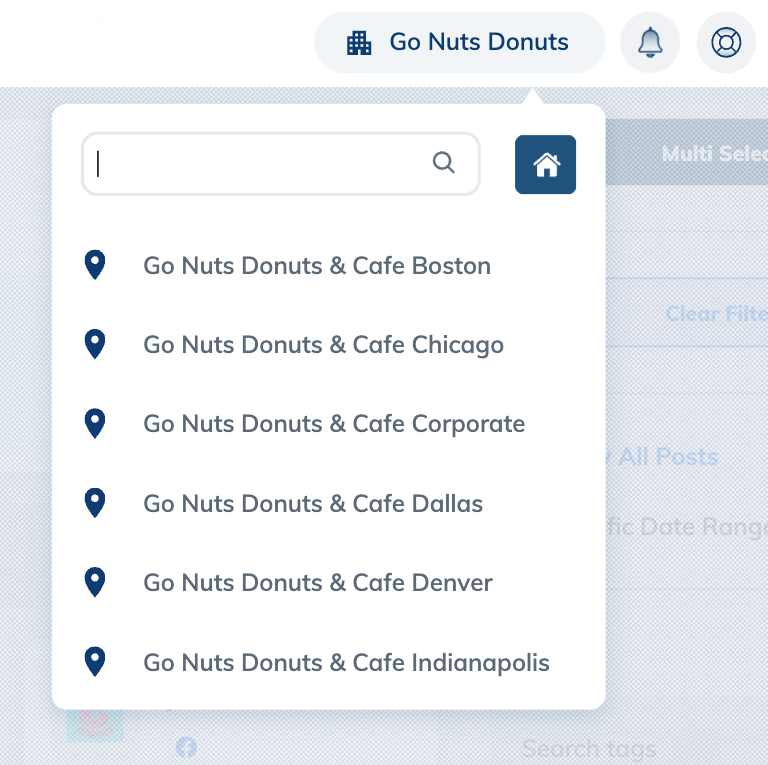
Rallio’s Hub-level dropdown lets you navigate to each end location individually.
Rallio’s Hub-level dropdown lets you navigate to each end location individually for full transparency.

Finally, a content calendar provides structure without stifling creativity. Knowing what types of content are scheduled for the month ahead (like product launches, customer stories, or educational tips) gives your team a framework to innovate within. There’s still room for spontaneous posts and trending moments, but the calendar ensures those one-offs complement a larger, cohesive strategy rather than derailing it.

How to Build a Social Media Content Calendar

Learning how to make a social media content calendar doesn’t have to be overwhelming. Follow these four steps to create a content schedule that’s practical, scalable, and aligned with your business goals.

Step 1: Define Your Goals

Before you start filling in dates and post ideas, get clear on what you want your social media presence to achieve: Are you driving awareness, generating leads, boosting engagement, or supporting local store traffic?

Your goals will shape the type of content you plan. For example, if engagement is the priority, your calendar might emphasize interactive posts like polls, questions, and user-generated content. If you’re focused on conversions, you’ll want a steady mix of promotional posts, testimonials, and CTAs.

Step 2: Choose Your Format or Tool

You can build a content calendar in a simple spreadsheet, but as your operation grows, a dedicated platform like Rallio makes management far easier. Rallio centralizes planning, scheduling, and approvals, which is especially valuable for franchise brands juggling corporate and local content.

Look for a tool that allows you to visualize your social media post schedule across weeks or months, assign content by platform, and collaborate with your team in real-time.

The Rallio content calendar.

Step 3: Plan Content by Week or Month

Start with themes or content pillars that align with your brand and audience interests. For instance, a fitness franchise might rotate between workout tips, member spotlights, nutrition advice, and motivational quotes.

Map these themes to a monthly or weekly grid, assigning specific post ideas to dates. Include key details like copy, visuals, hashtags, and the intended platform. Don’t forget to account for holidays, product launches, and local events that should be reflected in your content schedule.

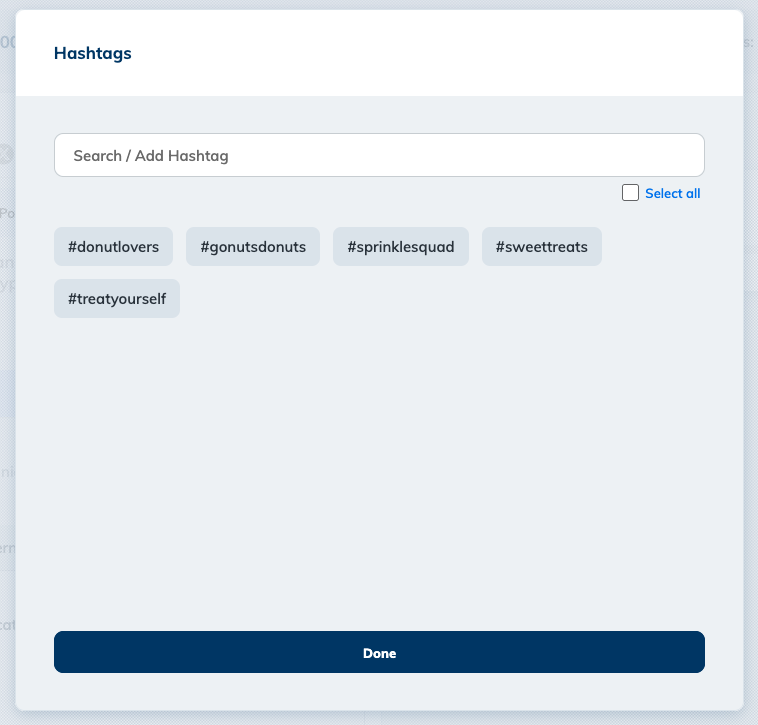
An example of stored hashtags in Rallio.

Step 4: Review, Adjust, and Repeat

Your content calendar is a living document. Establish a regular review cadence to assess upcoming posts, evaluate performance from previous weeks, and make necessary adjustments.

If a certain post type performed exceptionally well, double down on it. If you have a post planned that is no longer relevant, delete it. This habit of continuous improvement keeps your social media content calendar fresh, responsive, and results-driven.

Best Practices for Multi-Location or Franchise Brands

Managing a social media content calendar across multiple locations requires balance. Here are some ways to make every franchise feel like part of the same brand family, while still speaking to each location’s local audience.

Balance Brand Consistency with Local Authenticity

Corporate should provide a foundation, such as brand guidelines, approved messaging, visual templates, and evergreen content that any location can use. But leave room for local teams to inject their own voice and spotlight their community.

A social media content calendar example might include 70% centralized content, such as national promotions, educational posts, and brand storytelling, and 30% local content, including customer shout-outs, neighborhood events, and staff features.

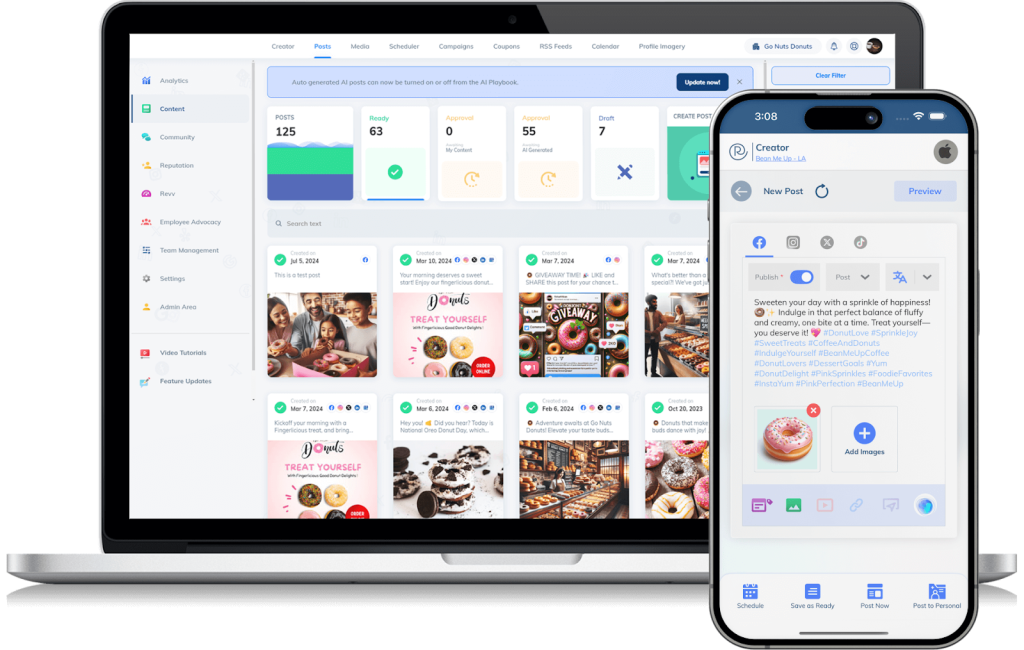
The Rallio Hub dashboard from the desktop version and the Creator tool in the Rallio mobile app.
The Rallio Hub dashboard from the desktop version and the Creator tool in the Rallio mobile app. 

Centralize Planning, Decentralize Storytelling

While corporate marketing teams should own the strategic calendar of defining themes, key dates, and campaign rollouts, they should still encourage local managers to contribute stories, photos, and insights from their markets.

A centralized content schedule provides the structure. Decentralized input makes it relevant and relatable. Use collaborative tools that let local teams submit content ideas or request edits without creating bottlenecks.

Empower Teams with Templates and Approval Workflows

Franchise owners and location managers are busy. Make it easy for them to participate by providing ready-to-use content templates, caption banks, and image libraries. Pair that with a clear approval workflow so local posts align with brand standards before going live.

Rallio, for example, streamlines this process by allowing corporate to review and approve location-level content within the same platform where the calendar lives. This maintains high quality and reduces the risk of off-brand posts slipping through.

Measuring and Improving

A social media content calendar is only as good as the results it drives. To ensure your content schedule is effective, you need to track its performance and refine your approach over time.

Monitor the following metrics:

  • Reach
  • Engagement Rate
  • Clicks
  • Follower Growth
  • Conversion Rate
An example of monitoring KPIs
An example of monitoring KPIs in Rallio.

Compare these numbers month over month to see what type of content is working and which parts of your calendar need to be tweaked. You should also look for patterns. Do posts on certain days or times perform better? Is one content type consistently outperforming others? Let the data guide your planning.

Don’t forget that even the most detailed content calendar needs breathing room. Reserve a few open slots each week for topics that are trending, breaking news, or spontaneous moments that deserve to be shared. This will help keep your feed relevant while maintaining its structure. 

FAQs

1. What is a content calendar?

A content calendar is a planning tool that organizes your social media posts, blog articles, and digital content by date, platform, and topic. It’s a visual roadmap that helps teams stay organized, maintain consistency, and align content with marketing goals.

2. Why is a content calendar important for my business?

A content calendar saves time, builds consistency, and strengthens your brand presence. For multi-location businesses, it maintains unified messaging while allowing for local customization.

3. How far in advance should I plan my content calendar?

Most brands plan their social media content calendar 30 to 90 days in advance. The key is striking a balance between structure and flexibility. Plan far enough ahead to stay organized, but leave room to adapt to emerging trends, news, and real-time opportunities.

4. How can Rallio help with content calendars?

Rallio streamlines content planning, scheduling, and approval – especially for franchises and multi-location brands. It enables corporate and local teams to collaborate on a single platform. You can plan posts across locations, automate publishing, manage approvals, and track performance – without losing your brand consistency.

Streamline Your Social Media Content with Rallio

A social media content calendar is more than a scheduling tool. It’s the backbone of a consistent, strategic, and scalable social media presence.

By planning ahead, aligning your team, and leaving room for creativity and flexibility, you set your brand up for long-term success. Whether you’re managing one location or one hundred, a well-built content schedule keeps you organized, on-brand, and connected to your audience.

Ready to take control of your social media strategy? Discover how Rallio can help you build, manage, and optimize your content calendar with tools designed for multi-location success. Get started today and turn your social media from reactive to results-driven.


Categories
Social Uncategorized

Social Media Publishing 101: Everything Multi-Location Businesses Need to Know

Is keeping up with your social media draining time and resources? You aren’t alone!

That’s why so many brands have turned to social media publishing tools to help them keep their social media content consistent, cohesive, and engaging. 

In this blog, Joe Kennedy, Social Media Specialist, will cover everything you need to know about social publishing, what to look for when choosing a tool, and why it matters if you want to build a strong and sustainable brand in today’s busy digital economy.

What You’ll Learn:

Expert Opinion

If you think social publishing is just posting content whenever inspiration strikes, I’ve got news for you. The brands winning on social media treat publishing as a strategic operation that requires planning, coordination, and the right technology infrastructure. Most of them even use dedicated social media publishing tools to make their posting schedules more consistent, which typically generates higher engagement rates.

The shift toward automation and AI-assisted content tools reflects a broader truth: manual publishing doesn’t scale. Franchisors managing multiple locations can’t rely on individual franchisees to maintain brand standards without centralized systems. Smart social software gives you control without creating bottlenecks, ensuring every location can participate in your social strategy while staying on-brand.

The best performing brands use publishing platforms that combine scheduling automation with human oversight. This hybrid approach maintains authenticity while eliminating the chaos of managing decentralized social media.

What is Social Media Publishing?

Social media publishing is the complete process of planning, creating, and distributing content across social media platforms. It’s not just hitting the post button. It’s a coordinated workflow that ensures your brand shows up consistently with the right message at the right time.

It involves three key components working together:

  • Planning: This is where you’ll decide what types of content you’ll create and which channels you’ll use to reach your audience. It keeps your social presence aligned with your business goals, rather than being reactive and scattered.
Rallio’s AI Playbook, designed for entering and storing your brand guidelines
  • Creation: This is where you’ll draft copy, design visuals, and format your content to meet each platform’s specific requirements. Your content is where you bring your brand voice to life through images, videos, captions, and hashtags in the hopes of resonating with your target audience.
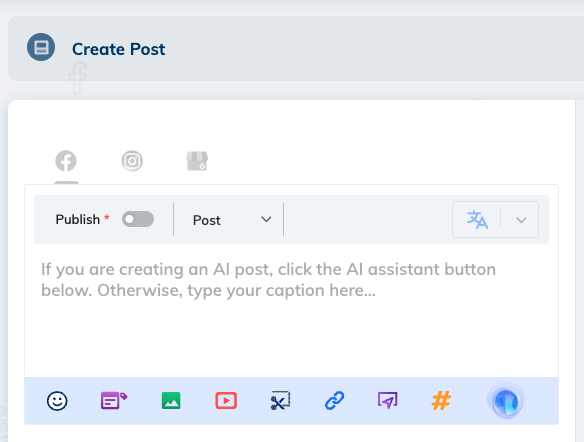
    Rallio’s Post Creator
  • Distribution: During this phase, you schedule posts, publish content across multiple platforms, and maintain a consistent content calendar. During this phase, a social media publishing tool becomes invaluable, especially when managing multiple accounts or locations.
Rallio’s Content Calendar

Why does this matter for your brand’s social strategy? Publishing creates visibility. Without consistent content distribution, your brand will disappear from feeds and fall out of your audience’s view.

For multi-location businesses, effective social publishing ensures every franchise location or regional office maintains brand standards while connecting with local communities. It’s the infrastructure that makes scalable social media possible.

Why Brands Should Care

To stay top of mind for your customers, you need to be where they are. For most brands, that’s on social media. Every post is an opportunity to get in front of the right people, whether someone is scrolling during their morning coffee or researching options before making a purchase decision.

Instead of letting your brand story be told through sporadic, disconnected posts, publishing consistent content will help you create a cohesive voice that reinforces your positioning and values. This is even more important for franchise networks, where many locations are expected to support a single brand.

Core Elements & Best Practices

When developing a social media publishing calendar, there are a few things to remember. Follow this list of best practices to ensure that you get the most out of your social media content.

  • Start small and build momentum: Trying to publish daily across six platforms from day one is a recipe for burnout. Instead, start posting consistently on one or two platforms, gradually expanding your schedule as you establish a routine.
  • Know your audience and think like a customer: What questions do they ask? What problems keep them up at night? Tailor your content to actual audience behavior rather than what you assume they want. For franchisors, this means understanding both the franchisee audience and the end consumer.

  • Platform-specific content is non-negotiable: Adapt your format, tone, and even your core message to suit each channel’s unique culture and technical specifications. What works on LinkedIn will probably fall flat on TikTok.
  • Maintain your content calendar: This is important not only for you, but also for your audience. By maintaining a consistent calendar, they will start to know what to expect from you. This works to build trust with your audience and the social media algorithms.
  • Post when the data tells you to: Monitor your analytics to see when your specific audience is most active and engaged. These optimal windows vary by industry, platform, and audience demographics, so don’t be afraid to test different times and days to see what works best for you.
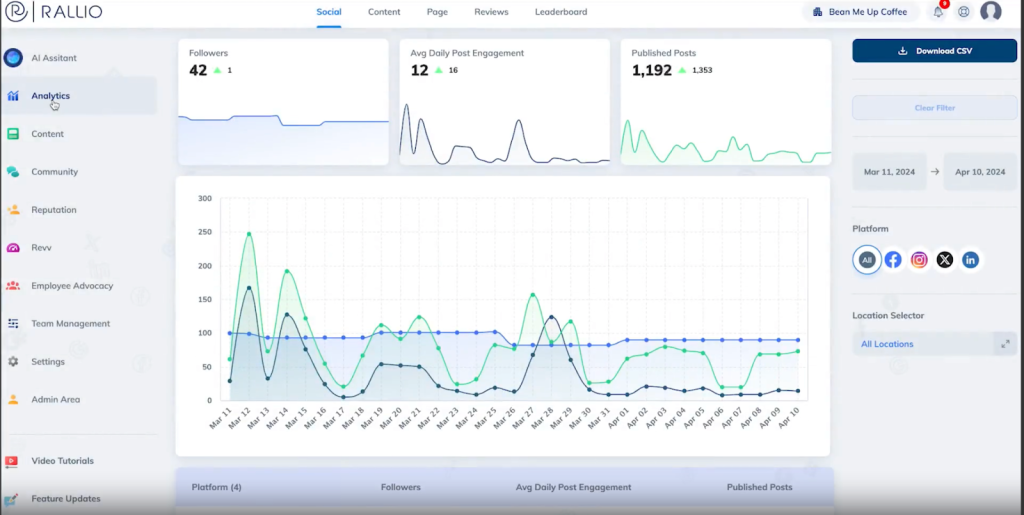
Rallio’s social analytics page
  • Monitor and refine weekly: Set aside time to review what’s working and what’s not. Look beyond vanity metrics to engagement quality, click-through rates, and sentiment.
  • Automate by using an app for posting to all social media platforms: Publishing tools streamline your workflow and maintain consistency without requiring you to manually log into each platform daily. 

Choosing the Right Content Tools and Workflows

There are a lot of social media publishing tools out there, so how do you know which one is right for you? That depends on your business’s unique needs.

For multi-location brands, look for platforms offering robust security and compliance features. These features will help you protect brand integrity while giving local teams the freedom they need to connect with their markets.

If you are active on a number of different platforms, you’ll also need a social software that allows for cross-platform scheduling. The right tool should let you plan and publish to all major platforms from a single dashboard. Switching back and forth between all of the apps can get tiring, so this feature will remove that challenge.

Other important content tools to look for include AI insights for data analysis and topic ideas, a visual content calendar, and team collaboration features that streamline approval workflows and communication to eliminate miscommunication and confusion.

For franchise and local brand networks, prioritize tools that offer:

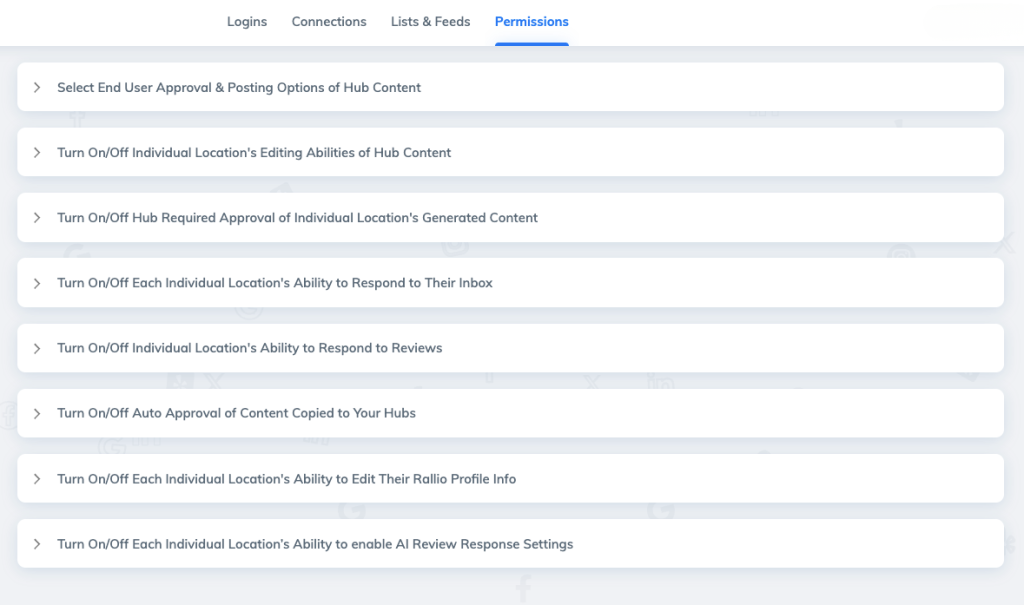
  • Role-based permissions that let corporate maintain oversight while franchisees execute locally.
Rallio’s permissions page from the corporate hub level
  • Shared content libraries let you distribute approved assets that locations can customize. 
  • Content repurposing features help you maximize the value of every piece you create. 
  • Local customization options ensure each location can add their voice while staying on-brand.
Rallio’s local customization feature

Social software like Rallio integrates these capabilities specifically for multi-location businesses. Features like the content creator tool help streamline production, multi-platform scheduling handles distribution, and Employee Advocacy features turn team members into brand ambassadors.

Common Pitfalls and How to Avoid Them

Even those most valuable social media content tools can fail if they aren’t used correctly. Here are some of the most common pitfalls of social media publishing and how you can avoid them.

  • Posting inconsistently or without a plan: This will kill your momentum before it starts. The fix is simple but requires commitment: build a realistic content calendar and stick to it.
  • Ignoring analytics: Set aside time weekly to review metrics and monthly to assess broader trends. Let data inform your strategy evolution.
  • Neglecting local optimization: This is particularly damaging for franchise networks. Corporate content that doesn’t allow for local voice or relevance feels disconnected from community needs. Build flexibility into your publishing system so locations can add local flavor while maintaining brand standards.
  • Failing to align with brand guidelines: This pitfall creates inconsistency, confuses customers, and dilutes brand equity. Be sure to implement clear guidelines and the right tools to ensure every member of your team has what they need to be successful.

Practical Checklist for Getting Started

Ready to bring social publishing to your marketing strategy? Start here:

FAQs

1. What does “social media publishing” actually mean?

Social media publishing is the process of planning, creating, and distributing content across social media platforms. It includes developing a content strategy, scheduling posts, and coordinating publication across multiple channels to create consistent messaging and visibility for your brand.

2. How is social media publishing different from social media management?


Social media publishing focuses specifically on content creation and distribution including planning, scheduling, and posting content across platforms. Social media management is broader and includes community engagement, customer service, reputation monitoring, paid advertising, analytics, and strategy development. Publishing is one component of comprehensive social media management, handling the “what and when” of posting content.

3. How often should my business publish on social media?

How often you publish on social media depends on your platform, audience, and resources, but consistency matters more than volume. Start with 3-5 posts per week on primary platforms like Facebook and Instagram, daily for X or Threads, and 2-3 times weekly on LinkedIn. Monitor engagement metrics to find your optimal cadence. It’s better to post twice weekly consistently than daily for two weeks then disappear.

4. Is there an app for posting to all social media platforms?

Yes, social media publishing tools let you schedule and post to multiple platforms from one dashboard. These apps support major networks including Facebook, Instagram, LinkedIn, Google Business Profile, and others, eliminating the need to log into each platform separately. Look for tools offering cross-platform scheduling, visual calendars, and analytics. Platforms like Rallio are designed specifically for multi-location businesses needing centralized publishing control.

Simplify Your Social Media Publishing with Rallio

Ready to transform your social media publishing from chaotic to strategic?

Rallio can bring it all together, by combining advanced AI content tools with a scheduling system and a strong social ecosystem. Our platform works for small businesses, enterprise corporations, and multi-location brands and franchises that need consistency at scale.

Are you ready to explore how the right publishing tools can streamline your workflow, empower your locations, and deliver measurable results across every channel? Request a free, no-strings-attached demo of Rallio today!

Categories
Social Uncategorized

How to Choose the Right Social Media KPIs for Your Business Goals

Social media feel like shouting into the void recently? Tracking the right social media KPIs helps you understand if your efforts are paying off.

In this blog, Cortney DeGruccio, Senior Account Specialist, will show you exactly which key performance indicators for social media matter most, why they matter, and how to use the data you collect to grow your business.

What You’ll Learn: 

Expert Opinion

Here’s the truth: most businesses track too many numbers and not enough of the right ones.

Social KPIs aren’t just about vanity metrics like follower counts. They’re about understanding what drives real business results. When you focus on the KPIs for social media that align with your goals, everything becomes clearer.

The best social media strategies are aligned with the business goals. What do you want out of your social media? Is it more website traffic? Better customer service? Increased brand awareness? Once you decide on your goals, you can use your KPIs as a roadmap to achieve them.

Think of social media KPIs as your business health check. They tell you what’s working, what’s not, and where to focus your energy next.

KPIs vs. Metrics

Many people use the terms KPIs and metrics as though they mean the same thing. They don’t.

A metric is any data point you can measure. It’s a number. Metrics include things like total likes, follower count, or post reach.

A KPI is a metric that matters to your business goals. It’s a number with purpose. Not every metric deserves to be a KPI.

Map Your KPIs to Your Business Goals

Random numbers won’t grow your business, but strategic numbers will.

The social media KPIs you choose to track should connect directly to what you’re trying to achieve. If your goal is brand awareness, track reach and impressions. If you want leads, focus on conversion rate and click-through rate.

With aligned social media KPIs, your team stays focused on what matters. It prevents wasted effort on things that don’t matter and gives you viewable insights into what is working. Instead of “We got 500 likes,” it would be “We generated 47 qualified leads and reduced customer service response time by 30%.” Seeing how you moved the needle forward is much more encouraging, right?

The Role of Benchmarks, Context, and Growth Stage

Keeping track of business and industry benchmarks will help stop you from fixating on meaningless numbers.

Always compare your performance to your own past results. Track month-over-month and year-over-year growth. This shows your trajectory.

Industry benchmarks matter too. They help you understand where you stand against competitors. But don’t obsess over them. Your business is unique.

Your growth stage also changes what matters. A startup needs awareness. An established brand might prioritize customer retention. Adjust your social KPIs’ focus as you evolve.

The KPIs That Matter Most

What are key performance indicators for social media? Let’s take a look at some of the most important ones.

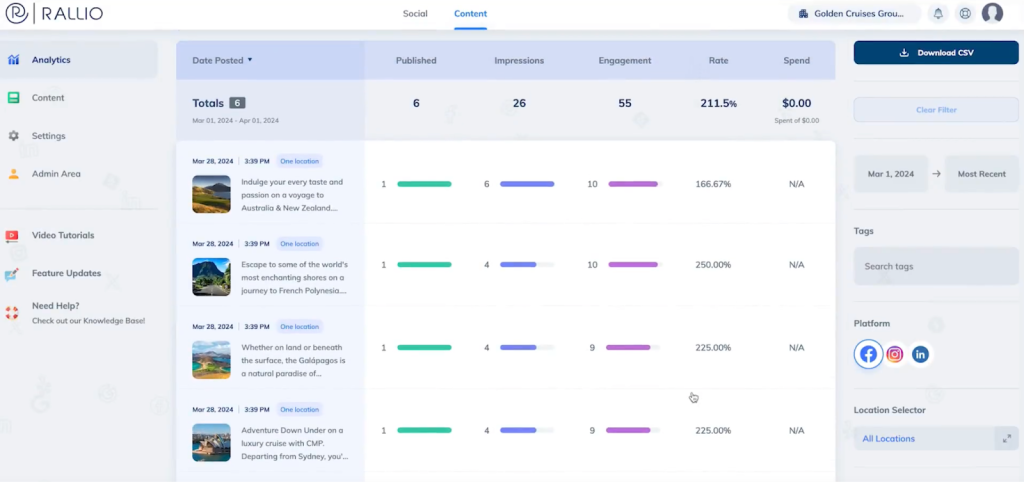
An example of Rallio’s social media KPI dashboard
An example of Rallio’s social media KPI dashboard.

Awareness & Reach

These metrics are the foundation of everything else. They include things like:

  • Impressions – Impressions count every time your content appears on someone’s screen. High impressions mean your content is getting distributed widely. Low impressions suggest you need to post at better times or improve your content strategy.
  • Reach – Reach counts actual people, not views. Reach matters because it shows your true audience size. Growing reach means you’re expanding your influence.
  • Follower Growth Rate – Use this formula to calculate this KPI: (New followers this month ÷ Total followers at start of month) × 100. A healthy growth rate indicates that your brand is consistently attracting new audiences. Stagnant growth means your content isn’t compelling enough to earn followers.
  • Share of Voice – This KPI measures how often your brand is mentioned compared to competitors. It’s an indicator of your market position. The more people talk about you, the more relevant you’re becoming.
Rallio’s dashboard showing impressions, engagement, post clicks, and negative feedback KPIs
Rallio’s dashboard showing impressions, engagement, post clicks, and negative feedback KPIs.

Enagagement & Community

Engagement metrics show if people care about what you’re sharing. This is often more valuable than awareness or reach.

  • Engagement Rate – This is the gold standard social KPI. It shows what percentage of people who see your content actually interact with it. Total engagements include likes, comments, shares, saves, and clicks. Divide that by total impressions, multiply by 100, and you have your engagement rate.
  • Comments – This KPI shows quality conversations and feedback from your audience. This shows you that your audience is invested and interested.
  • Shares / Reposts – When someone shares your content, they’re endorsing you to their network. That’s powerful.
  • Saves – Saves are the most underrated engagement metric. When someone saves your post, they’re saying, “I want to come back to this.” It shows that your content is highly valued and relevant. 
Rallio’s dashboard showing engagement and community KPIs
Rallio’s dashboard showing engagement and community KPIs.

Traffic & Conversions

Social media should drive business results. These KPIs prove it’s working.

  • Click-Through Rate (CTR) – CTR measures the percentage of people who click your links. Calculate it with this formula: (Total clicks ÷ Total impressions) × 100.
  • Conversion Rate – This KPI is the percentage of social visitors who take desired actions. Use this formula to calculate it: (Conversions from social ÷ Total social media traffic) × 100.
  • Cost Per Click (CPC) – If you’re running paid social ads, CPC tells you how much each click costs. Lower is better.
  • Leads Generated – This shows the number of contacts or inquiries sourced from social. Don’t forget to track lead quality, not just quantity. Ten qualified leads beat 100 people who are just looking.

Customer Care & Retention

Social media is a customer service channel. These KPIs measure how well you’re supporting your community.

  • Response Time – Speed matters in customer service. Track your average response time to messages and comments. Aim for under one hour during business hours. Under 15 minutes is excellent. Rallio can help you monitor and respond across multiple channels from a single dashboard, keeping your team more efficient.
  • Resolution Rate – Getting back to people quickly is a good thing. Actually solving their problems is better. Resolution rate measures the percentage of customer service interactions that end successfully. A high resolution rate means happy customers. A low rate suggests training or process improvements are needed.
  • Customer Sentiment – This KPI is the ratio of positive vs negative mentions or comments. A healthy brand sees mostly positive sentiment with occasional negative feedback.
  • Customer Retention / Loyalty Rate – This social media KPI shows how well your social media strategy helps retain repeat customers. Track how many customers who engage with you on social media make repeat purchases. Compare retention rates for social-engaged customers versus non-engaged customers. This key performance indicator social media metric proves long-term value. It shows that social media isn’t just for awareness. It also builds lasting relationships.

How to Track and Analyze KPIs

Having the right KPIs means nothing if you can’t track them effectively.

Combine Native Analytics With a Unified Dashboard Like Rallio

Each social platform offers native analytics. Facebook, Instagram, X, LinkedIn, and TikTok all provide valuable data within their platforms. While this is helpful, jumping between platforms takes a lot of time.

A unified dashboard like Rallio brings all your social KPIs together in one place. In just one glance, you can spot trends and identify problems much faster.

Use UTM Tags For Conversions and Traffic Attribution 

UTM parameters are tiny pieces of code added to your URLs. They tell Google Analytics exactly where traffic comes from.

When you use different UTM tags for each social platform and campaign, you can track which social media sources drive the most valuable traffic and conversions.

Without UTM tracking, all social traffic looks the same in analytics. But with them, you can see which platform is delivering the highest ROI. This information helps you improve your budget allocation and make smarter strategy decisions.

Use AI Tools to Streamline Your Process

Modern AI tools, like Rallio’s AI Assistant, can analyze your KPI data faster than any human. As it reviews your social media performance, it highlights what matters and detects emerging trends before they’re obvious.

Maybe engagement is dropping on Thursdays. Or video content is suddenly outperforming images. Or a specific topic is driving unusual traffic. Knowing these insights quickly will help you spot opportunities and problems before your competitors do.

Turning Insights into Action

Data without action is just noise. Here’s how to use your KPIs to improve results.

Identify Which KPIs Need Improvement

Review your KPIs regularly. Which ones are below target? Which ones are declining?

Each weak KPI suggests a specific fix. Low engagement rate? Test new content formats. Poor conversion rate? Improve your landing pages or offers. Slow response time? Adjust staffing or use automation tools.

Don’t try to fix everything at once. Pick one or two KPIs for social media to improve each quarter. 

As your business evolves, your goals change. Your social media KPI focus should change, too.

Quarterly reviews keep your measurement strategy aligned with your business strategy. They prevent you from optimizing for yesterday’s goals.

FAQs About Social Media KPIs

1. What’s the difference between a social media KPI and a metric?

A metric is any measurable data point from your social media activity. A KPI is a metric that connects directly to your business goals. Every KPI is a metric, but not every metric deserves to be a KPI. Focus on the numbers that actually matter to your business success.

2. How Many KPIs should I track?

Track between 5 and 10 KPIs for social media. More than that becomes overwhelming and dilutes your focus. Choose KPIs that cover different aspects of performance: awareness, engagement, conversions, and customer service. Quality beats quantity when it comes to measurement.

3. How often should I review my KPIs?

Check your KPI social media marketing dashboard weekly to spot immediate issues or opportunities. Conduct deeper monthly reviews to identify trends. Perform comprehensive quarterly analyses to assess strategy effectiveness and adjust goals. Daily monitoring usually creates more anxiety than value.

4. What KPIs matter most for ROI?

For return on investment, prioritize conversion rate, leads generated, cost per click, and customer acquisition cost from social. Also track customer lifetime value for social-acquired customers. These key performance indicators social media metrics directly connect to revenue and profitability, making ROI calculation possible.

Take Control of Your Social Media KPIs with Rallio

Understanding social media KPIs transforms guesswork into successful strategies. When you track the right ones, you’ll gain valuable insights into what is working for your business and what isn’t.

With Rallio, that transformation is easier than ever! Our comprehensive analytics platform brings all your social KPIs into a single powerful dashboard. Our AI-powered insights help you understand your data faster and make smarter decisions.

Are you ready to streamline your social media marketing? Schedule a free demo to see how your business can benefit from Rallio today!

Categories
Social Uncategorized

The Ultimate Guide to Turning Negative Online Reviews into Growth Opportunities

Every business owner knows that sinking feeling when they see a negative review pop up online. Whether it’s a one-star rating on Google or a lengthy complaint on Yelp, negative online reviews can feel like a punch to the gut. But here’s the good news: bad reviews aren’t the end of the world. In fact, they can be opportunities in disguise when handled correctly.

In this blog, Olivia Reck, Account Specialist, will walk you through exactly how to handle negative online reviews, turn unhappy customers into loyal fans, and protect your business’s reputation. Whether you’re dealing with your first bad review or looking to improve your response strategy, we’ve got you covered.

What You’ll Learn About Handling Negative Online Reviews:

1. Stay Calm and Assess

2. Respond Quickly and Professionally

3. Offer a Solution

4. Take it Offline

5. Learn and Improve

6. Balance the Negative

7. Avoid Removing Negative Reviews

FAQs on Negative Online Reviews

Our Expert Opinion on Handling Negative Online Reviews

Let’s start with some perspective: negative reviews are a normal part of doing business. Studies show that 96% of consumers say that they specifically look for negative online reviews when researching a product or service. However, how you respond to these reviews can make all the difference.

When appropriately managed, these reviews can actually boost your credibility. In fact, businesses that respond to negative reviews are 45% more likely to earn customer trust. Think about it. When was the last time you saw a business with only 5-star reviews? It probably seemed too good to be true, because it is! Every business will experience negative reviews at some point.

The key to success isn’t avoiding negative online reviews altogether (that’s impossible!) but learning how to respond to a bad review professionally and effectively. A thoughtful response to a negative review shows potential customers that you care about customer satisfaction and are willing to make things right when problems occur.

How to Handle Negative Online Reviews

Every business receives a bad review or two. Here’s some tips on how to deal with negative reviews in a way that might salvage your relationship with that particular customer or at least build more trust with future customers.

#1: Stay Calm and Assess

The first step in learning how to respond to negative feedback is to take a deep breath. It’s natural to feel defensive, but rushing to respond when you’re upset isn’t helpful. Instead, take time to read the review carefully and understand the customer’s perspective.

Think of each review like a puzzle piece. What type of issue are you dealing with? Is it about product quality, customer service, a misunderstanding, or perhaps even a fake review? Understanding the nature of the complaint helps you craft the right response. Research shows that 71% of consumers read businesses’ responses to reviews, so your reply matters more than you might think.

Source: Bar chart illustrating consumer review behavior.

#2: Respond Quickly and Professionally

While you shouldn’t respond in the heat of the moment, you also don’t want to leave negative reviews hanging. Over half of consumers expect a quick reply to a negative review, though, so aim to reply within 24-48 hours. This shows other customers that you’re attentive and care about feedback.

Start your response by thanking the reviewer for their feedback – yes, even when it’s negative! Then, acknowledge their experience and apologize if something went wrong. Keep your tone friendly and professional, like you’re talking to a valued customer face-to-face.

Remember, you’re not just responding to one unhappy customer. Other people will read this, so you’re showing everyone how your business handles problems.

Source: Example of a business’s quick response on Google.

#3: Offer a Solution

Don’t just apologize. Take action! Address the main concern briefly in your response, but avoid getting into too many details publicly. For example, you might say: “We’re sorry your meal wasn’t up to our usual standards. We take food quality very seriously and would like to make this right.”

Then, invite the reviewer to contact you directly through email or phone. This shows you’re committed to finding a solution while keeping sensitive details private.

Source: Example of a business offering solutions.
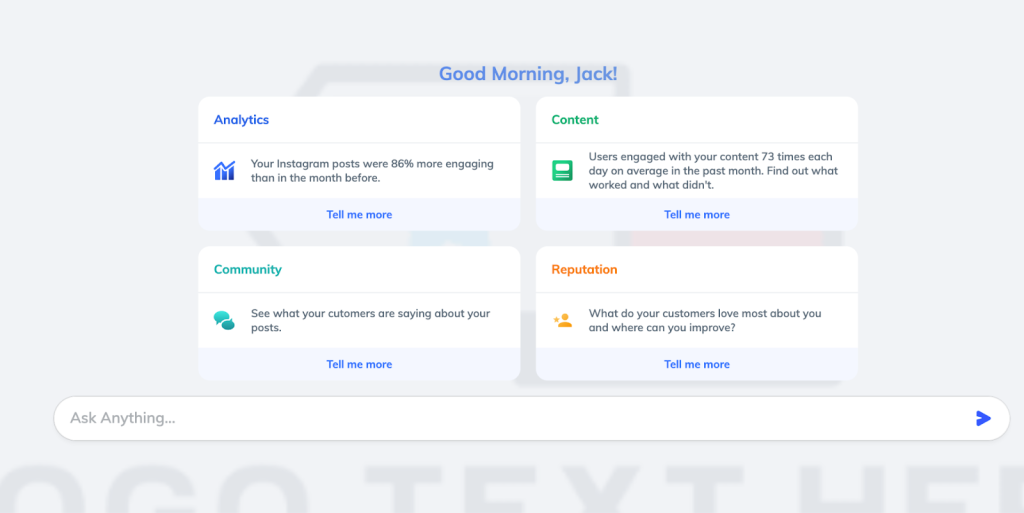
#4: Take it Offline

Once you’ve made your initial response, try to move the conversation to a private channel. This is especially important if the situation is complex or involves specific customer details.

Source: Example of a business moving the situation offline.

Resist the urge to argue with a reviewer in public. It’s like having a disagreement in front of a crowd of potential customers. Instead, provide a direct contact method and encourage the reviewer to reach out so you can resolve their concerns personally.

#5: Learn and Improve

Every negative review is a chance to grow. Share feedback with your team and look for patterns in the complaints you receive. Are customers frequently mentioning the same issues? That’s your cue to make changes.

Keep track of how you resolve different types of complaints. This helps you build a playbook for handling similar situations in the future. Plus, seeing management respond to reviews can help make your customers (and potential customers!) understand that you care about making them happy. 

Source: Example of how one business learned and improved through TripAdvisor feedback.

#6: Balance the Negative

While you can’t prevent all negative reviews, you can balance them with positive ones. Encourage happy customers to share their experiences online. A simple reminder at checkout, a follow-up email, or even a sign in your store with a QR code can do wonders.

Remember, a mix of reviews looks more authentic than just perfect ratings. No one is perfect, and if your business is all five stars, it’s going to look fishy to potential customers.

Source: Google review summary.

Aim for a healthy ratio where positive reviews naturally outnumber negative ones by focusing on providing great service, proactive customer care, and an undeniably great product.

#7: Avoid Removing Negative Reviews

While it’s tempting to want to remove negative reviews, you shouldn’t. Besides, it isn’t an easy process because Google and other platforms only remove reviews that violate their content policies, such as spam or hate speech.

Source: Reporting an inappropriate review on Google.

Instead of focusing on getting the review taken down, respond professionally to the negative reviews and focus your attention on delivering quality customer service that will inspire other customers to leave more positive reviews.

FAQs About How to Handle Negative Online Reviews

1. Should I respond to every negative review?

Yes! Respond to every review. Each response shows you care about customer feedback and are willing to address concerns. Plus, your responses help future customers see how you handle problems.

2. What if a review is unfair or false?

If a review is unfair or false, remain professional and factual in your response. If it’s clearly fake, report it to the platform, but still respond politely for other readers to see.

3. How fast should I reply to a negative review?

Aim to respond to negative reviews within 24-48 hours. This shows you’re attentive and willing to fix the problem, but also gives you time to calm down and craft a thoughtful response.

4. Can responding to bad reviews actually help my reputation?

Absolutely! Professional responses show accountability and customer care, which can actually improve potential customers’ perception of your business. If you’re willing to learn from negative reviews and make it right, it will go a long way in helping you win over customers.

5. How do I get a Google review removed?

Google only removes reviews that violate its policies. Instead of focusing on how to get a Google review removed, focus on responding professionally and encouraging satisfied customers to share their experiences.

Streamline Your Social Media and Review Management with Rallio

With so many review platforms available, it can be hard to keep up with each one. From Facebook and Instagram to Yelp and Google Business Profile, keeping track of your reviews and responding appropriately can quickly get lost in the shuffle.

With Rallio’s centralized dashboard, you can review and respond to reviews from every platform, all in one place. We combine advanced AI with an intuitive interface, making it easier than ever for businesses and franchises to amplify their social media presence and build stronger connections with their customers.

Plus, our popular REVV tool can help you boost your brand’s reputation, build customer loyalty, and counter negative online reviews and comments.

Whether you want to send a post-sale survey, encourage customers to leave reviews on Google and Facebook, or respond quickly to customer feedback, Rallio can help you do it – quickly and easily!

Sound like something your business needs? Get started with Rallio today!

Categories
Social Uncategorized

Why NAP Citation Consistency Matters


Imagine this: a customer wants to visit your store. They search online and find your business, but the address is wrong. Or maybe the phone number doesn’t work. Frustrating, right?

This happens more often than you think. When your business information is incorrect or inconsistent across various touchpoints, it confuses customers and search engines. That means fewer visits, fewer calls, and less trust.

When it comes to local SEO citations, NAP consistency (name, address and phone number) is everything. In this blog, Megan Lehrich, Senior Account Strategist, will go over the ins and outs of NAP citations to ensure that your brand stays relevant and accessible online.

What You’ll Learn:

My Expert Opinion

I’m not the only local SEO expert who will tell you this: keeping your business info clean and consistent is one of the most important things you can do to rank higher in search results.

NAP consistency isn’t just about looking professional. It’s about being found. You can’t convert more customers, sell more products, or hit bigger goals if people don’t know how to find you in the first place.

Search engines like Google and Bing use your business’s NAP citations (how your name, address, and phone number appear online) as an important ranking factor to decide if your business is trustworthy. If your info is messy or mismatched, they may push you down in rankings or ignore you completely.

If you want to boost your local SEO citations, start with your NAP citations.

What are NAP Citations?

NAP citations refer to your business’s Name, Address, and Phone Number wherever they can be found online, including places like Google Business Profile, Yelp, Facebook, or a local directory.

An Example of a NAP citation

NAP consistency is incredibly important because these citations help search engines know who you are, where you are, and how customers can reach you.

They power services like Google and Bing, maps, GPS apps, voice assistants (including Siri and Alexa), review sites, and local directories.

If your info is wrong, customers might not find you, or worse, they might go to the wrong place. That’s why NAP SEO is so important. People can’t buy from you if they can’t find or trust your info.

The Franchise Problem: Inconsistency at Scale

When you are part of a franchise or have multiple locations, the importance of local citation management only gets bigger. One wrong phone number or old address can spread across hundreds of listings. Suddenly, your whole brand looks messy and untrustworthy.

This is called inconsistency at scale. The more locations you have, the harder it is to keep everything updated. And the bigger your footprint, the bigger the SEO penalty.

For multi-location businesses, bad local citation management doesn’t just harm your customer relationships. It can also negatively impact your search rankings and revenue.

That’s a big deal. Every incorrect NAP citation is a missed opportunity.

Why NAP Citations are Critical for Local SEO

When it comes to raising local awareness, directory listings and SEO go hand in hand. When your business info is consistent across platforms, it signals to search engines that they can trust you.

Being trustworthy increases your business’s chances of ending up in the Google Map Pack – those top 3 results in local searches. This is critical for local SEO because most people will choose one of those top 3 results, so you really want your business to be one of them.

An example of Google’s Map Pack

It’s as simple as this:

  • Accurate citations = more authority and credibility
  • Inconsistent citations = confusion and lower rankings

When your local citations are correct, it increases your Search Engine Results Page (SERP) ranking. The higher your SERP ranking, the more phone calls, website clicks, and in-store visits you’ll have. 

That’s a real return on investment (ROI). Clean up your citations, and you’ll see the difference.

The Hidden Risks of Bad Citations

Bad citations don’t just hurt your rankings. They cause real problems.

Some of the most common NAP consistency errors include:

  • Duplicate listings: Two or more profiles for the same location
  • Ghost profiles: Old listings that still show up but aren’t managed
  • Spam entries: Wrong info added by bots or competitors

Once this incorrect information starts spreading across the web, it can take off like wildfire. It’s surprising how quickly it can happen! 

If you aren’t actively managing your NAP SEO, it could result in frustrated customers, loss of income, and headaches that no busy business owner needs.

What Strong NAP Management Looks Like

The good news is that it isn’t hard to get control of your local SEO citations. It just takes a little work.

Start by focusing on what good local citation management means. No matter where your business is listed online, you should always make sure that all of your business information follows the 3Cs:

  • Complete: All fields filled out (name, address, phone, hours, etc.)
  • Correct: No typos, old numbers, or outdated addresses
  • Consistent: Same info across all platforms

This includes places like:

  • Search engines, such as Google or Bing
  • Social platforms, including Facebook, Instagram, or TikTok
  • Review sites, including Yelp, TripAdvisor, or Angie’s List
  • Mobile apps, such as Apple Maps, Google Maps, or Waze
  • Voice assistants, like Alexa or Siri

Like most things in digital marketing, your NAP citations are not a set-it-and-forget-it type of task. You should always update your citations in real time whenever necessary.

Making changes isn’t the only time you should monitor your local citations. Making it a habit to monitor them regularly will help to catch (and stop!) errors quickly, before the wrong information makes too much of a negative impact on your business.
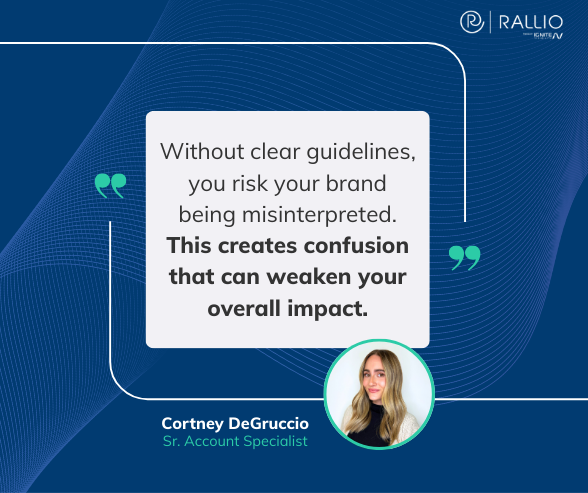
How Rallio Makes NAP Simple for Franchises

Managing citations across hundreds of locations sounds hard, but Rallio makes it easy.

With Rallio’s Directory Listings service, you can:

  • Instantly update business info across all major platforms
  • Push changes to search engines, social media, voice search, and mobile apps
  • Keep everything consistent from one central dashboard

For franchises and multi-location brands, this is a game-changer. Whether you update info at the corporate level or in the field, Rallio rolls it out everywhere – automatically and on time.

No more drift. No more mismatched listings. Just clean, consistent info that builds trust, boosts rankings, and increases sales. If this is something that you are interested in, contact us at sales@rallio.com 

FAQs About NAP Citations

1. What does NAP mean in local SEO?

NAP stands for Name, Address, and Phone number. It’s the core business info used by search engines to verify and rank local businesses in search results.

2. Why are NAP citations important for franchises?

Franchises have many locations, so consistent NAP citations help maintain trust, improve rankings, and avoid confusion across directories and search engines.

3. What happens if my NAP information isn’t consistent?

Inconsistent NAP info can hurt your search rankings, confuse customers, and lead to lost traffic, missed calls, and negative reviews.

4. How do I know if my Nap Citations are accurate? 

Use tools like Rallio’s Directory Listings or local SEO platforms to scan, monitor, and update your NAP citations across all major directories. Always remember to monitor your citations regularly and make any necessary changes as soon as possible.

Expert Local Citation Management with Rallio

Whether you’re running a home repair company with multiple locations or a fast food franchise, Rallio can help streamline your local citation management. 

With our help, it’ll be easy to:

  • Be where your customers are
  • Measure your brand presence
  • Create a bigger impact in your industry
  • And more!

Our easy-to-use platform can help you simplify your social media management, improve your local SEO, and start building the type of business you’ve always dreamed of.

Sound exciting? Let’s get started today!

Categories
Social Uncategorized

Social Media Engagement: A Complete Guide from Strategy to Success


What does your brand’s social media look like these days? Is the engagement flooding in, or are there crickets on your posts?

With over 5.41 billion social media users worldwide, representing almost 66% of the global population, mastering social media engagement is no longer optional – it’s essential for business success.

In this blog, Phoebe Hudson, Senior Account Strategist, will talk about how to increase social media engagement so that more consumers will be talking about your brand and buying your products.

What You’ll Learn:

My Expert Opinion on Social Media Engagement

Social media engagement has evolved far beyond simple likes and shares in today’s day and age. According to recent data, users spend an average of 2 hours and 21 minutes daily on social platforms. That’s a huge chunk of the day!

What’s particularly noteworthy is that 61% of consumers now discover new businesses through social media. Not only are social media users sharing their own thoughts, but they’re also engaging with everyone from influencers to brands. Social media platforms, from TikTok to Facebook, are prime territories for building meaningful connections with your audience.

Once a consumer finds your brand, you have to keep them interested. That’s why social media engagement plays a vital role not only in maintaining relationships with existing customers, but also in driving business growth through new customer acquisition.

The most successful brands understand this. That’s why so many of them are turning to social media engagement tools that help them post, manage, and engage with their preferred customers on social media. If generating content feels like a heavy lift, you might want to look into some of these tools to make your social media management easier than ever.

What is Social Media Engagement?

Social media engagement encompasses all interactions between your brand and its audience across social platforms. These interactions can include:

  • Likes, comments, and shares
  • Direct messages and mentions
  • Saves and bookmarks
  • Click-throughs
  • Video views
  • Story interactions

Social media engagement rates can vary, depending on the type of content and the platform. For instance, TikTok leads with engagement rates up to 7.5% for smaller creators, compared to Instagram’s 3.65%.

Of course, engaging content on social media isn’t just about collecting likes and comments. It’s pretty important for your bottom line, too. When your audience actively engages with your content, it fosters authentic trust in your brand and helps build brand loyalty among your followers.

Example of social media engagement

High engagement also increases your content’s visibility through platform algorithms. This creates a snowball effect that amplifies your reach organically. This enhanced visibility translates directly to brand growth.

Why Engagement Drives Success

High social media engagement rates directly correlate with business success for several reasons. The first is that it builds trust. With 69% of consumers trusting influencer endorsements more than traditional ads, there’s a lot of power that lies in your social media presence.
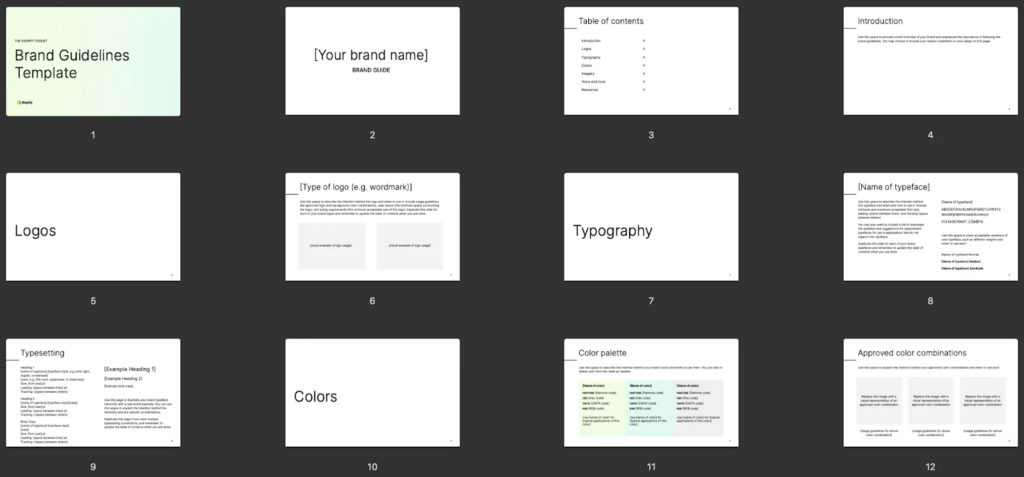
It’s also a revenue generator. Brands that respond to social media inquiries within 24 hours are likely to see improved customer retention and sales. When you respond to customers, it shows you care. When you care, your customers care, too.
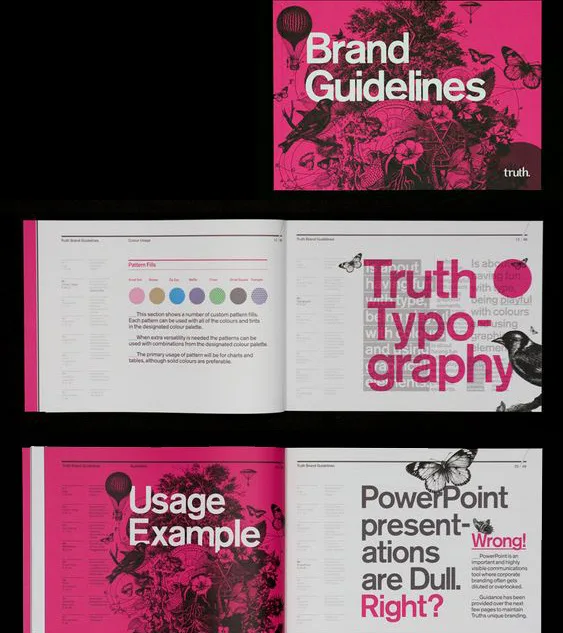

Creating engaging social media content is also a fantastic way to boost your brand awareness. Higher engagement rates result in increased visibility in platform algorithms and expanded organic reach.

Example of engagement-driven social media for a franchise

Ultimately, you can gain valuable insights into your customers’ preferences through their engagement with social media. Engaged audiences will often provide valuable feedback and insights through their interactions.

How to Build a Social Media Engagement Strategy

Social media management is so much more than just posting a few graphics and calling it a day. In today’s world, creating an effective social media engagement strategy requires a multifaceted approach.

This starts with selecting the right platform. When it comes to engagement, social media is all about where you post. You need to focus on platforms where your audience is most active. Audiences can’t engage with your posts if they never see them. For example, if you are a B2B brand looking for high-powered decision makers, LinkedIn might be a better choice for you than Snapchat.

You should also diversify your content formats. Don’t just post all static posts on Instagram. Throw in a few Reels and Stories, too. Not only will this keep your audience interested, but it also helps social media algorithms, too.

Example of a diversified Instagram feed

Timing also matters. Conduct research to determine when your audience is most active on each platform and incorporate that information into your social media engagement strategy.

Speaking of research and data, like anything else in digital marketing, you need to make data-driven decisions to increase social media engagement. Tie your goals to measurable metrics so you have a clear picture of what is working and what isn’t.

Finally, always focus on building a community. When you prioritize authentic, conversation-driven content, it feels less forced. This encourages conversations to happen naturally on your posts.

Proven Tactics to Increase Engagement

If generating engagement feels overwhelming, don’t worry! Here are some tried-and-true engagement techniques for social media that will help your posts garner more likes and comments.

Example of an engaging multi-location TikTok feed
  • Make your content interactive! Engagement questions on social media are a sure-fire way to generate a comment or two. You can also use polls in stories or encourage engagement through likes, shares, and comments. You know, there’s a reason why so many YouTubers say, “If you liked this video, don’t forget to like, share, and subscribe!”
  • Incorporate user-generated content, or UGC. People love to see other real people using your products. UGC is always a good way to showcase your brand in a way that people will be itching to engage with.
  • Engage back! Don’t forget to be social on your social media. Eighty percent of consumers expect brands to respond within 24 hours. Responding to comments or messages promptly shows your audience that you are engaged and appreciate their questions.
  • Incorporate social media trends. Trending audios and fun dances can help your content find its way to TikTok’s FYP or Instagram’s Discover page. The more eyes on your content, the more engagement you’ll generate. Just make sure to use these trends thoughtfully and always stay true to your brand.

Measuring Engagement That Matters

Making data-driven decisions is the key to marketing success. As you work to increase social media engagement, don’t forget to track the right metrics to see if your hard work is paying off.

Some of the most important KPIs include:

  • Engagement Rate
  • Comment Rate
  • Share/Save Rate
  • Response Time
KPIs for Social Media Engagement

Once you understand the type of content your audience wants to engage with, you’ll be able to refine your strategy to provide them with more of what they want. 

How Rallio Helps

As you can see, there is a lot that goes into generating content that your audience will be excited to engage with. That’s where social media engagement tools, like Rallio, come in handy. 

With Rallio, you’ll gain access to a unified dashboard that allows you to manage engagement in one centralized location. The integrated inbox makes it easy to track messages from multiple platforms. The dashboard also provides a unified view of all the analytics you need to track your content’s progress.

Rallio Analytics Dashboard

You can also use the included AI tools to tailor your content to each specific platform and audience, as well as respond to comments and messages faster than ever. With AI growing by leaps and bounds, it only makes sense to incorporate it into your social media engagement strategy!

FAQs

1. What does social media engagement actually mean?

Social media engagement refers to any interaction users have with your content on social media platforms. This includes likes, comments, shares, saves, clicks, and direct messages.

2. Why is engagement more important than followers?

Engagement is far more valuable than follower count, as it indicates a genuine audience connection and the effectiveness of the content. High engagement means your content resonates with your audience, builds trust, and is more likely to be amplified by platform algorithms. Followers can be bought, but genuine engagement cannot.

In fact, recent studies have shown that micro-influencers with smaller follower counts often achieve higher engagement rates than accounts with millions of followers. That’s because their followers are more engaged and connected with the content the account is posting.

3. How do I increase engagement on my posts?

To increase your social media engagement, focus on creating authentic content that encourages interaction. Key strategies include posting when your audience is active, using a diverse mix of content formats, asking questions and encouraging discussion, and sharing UGC. Heavily engaged brands also understand that engagement shouldn’t be one-sided. You should always respond quickly to comments and messages to show your audience that you care about the connection that is forming.

4. What’s a good social media engagement rate?

The definition of a good engagement rate varies depending on industry and platform. However, a good engagement rate is typically:

  • LinkedIn: 6.5%
  • Facebook: 5.07%
  • TikTok: 4.86%
  • Threads: 4.51%
  • YouTube: 4.41%
  • Pinterest: 3.46%
  • X (Twitter): 2.31%
  • Instagram: 1.16%

Keep in mind that these benchmarks will vary by industry and audience size, with smaller, niche accounts typically seeing higher engagement rates than larger ones.

Increase Your Social Media Engagement Rates with Rallio

When you want to know how to increase social media engagement rates, Rallio is the tool to turn to!

Whether you’re running a nationwide franchise, a local brick-and-mortar store, or a busy ecommerce business, Rallio can help you:

  • Improve brand reputation on social media: Our AI Playbook ensures every caption, image, and response aligns with brand voice, industry regulations, and tone guidelines.
  • Generate more positive reviews: Use REVV, our review acceleration tool, as a way to streamline feedback collection and enhance your online reputation.   
  • Respond quickly to customer concerns: With our unified dashboard, you’ll never miss a review ever again! Use our AI to respond to reviews swiftly and efficiently every time.
  • Tailor content to specific platforms and audiences: Create high-quality content in our Content Creator and seamlessly schedule it across your preferred platforms.
  • Track your progress with advanced analytics: Get powerful analytics that reveal how your content, pages, and reviews perform across social media.

Are you ready to focus on consistent and authentic social media engagement? Request a free, no-strings-attached demonstration today!

Categories
Social Uncategorized

What Is the Google Map Pack & Why Is It Crucial for Local SEO?


When trying to maximize online visibility as a local business, local search engine optimization (SEO) is essential, and one of the most powerful tools you can use to get the most from your efforts is the Google Map Pack. By optimizing for this search results feature, you can be among the first businesses people find when looking for local services or products.

In this blog, Tyler Phillips, Marketing Manager, will get into this local SEO element and some strategies to help you boost your Google Map Pack ranking.

My Expert Opinion on the Google Map Pack

There are many search engine results page (SERP) features that I’ve found to be extremely helpful in boosting visibility and overall engagement for local businesses, from rich snippets to Google Business Profiles, but arguably the most critical is the Google Map Pack, also known as the Google Local Map Pack or the 3-Pack on Google.

The statistics of being top 1-3 in Google Map Packs really illustrate their importance, with recent reports concluding that the top Map Pack position has an average click-through rate (CTR) of 17.6%, while positions two and three see average CTRs of 15.4% and 15.1%, respectively. The CTR dramatically drops off after this.

Taking the right steps to rank for this component can help local businesses reach high-intent users who are actively looking to do business with local companies in their area, landing businesses in the top results above all other organic results.

While organic local SEO is still crucial in capturing audiences at every stage of the customer journey, optimizing for Google Place SEO can help you land these top three spots.

Let’s explore how you can stay on top of the Local Pack rotation on Google and how this feature works.

What Is the Google Map Pack?

So, what is the Google Local Pack

When a user wants to find a local business near them, they’re likely to enter certain “near me” keywords and other locally targeted queries. Let’s say someone wants to find a good Italian restaurant in Chicago, in which case the user would enter “best italian restaurants chicago.”

Here, Google would likely bring up the top three restaurants in the 3-Pack Google results, appearing above all other organic results. They could also show up in Google 3-Pack ads rather than organic results.

These three results would show the business name, average ratings from Google Reviews, addresses, business hours, a review blurb, and a location on a Google Maps embed.

The Google Maps Pack in Google search results.

Based on these results, the user should have an easier time finding the right place to go, with all the information they need to help them make a decision right there in a convenient location.

Why It Matters for Marketing Pros

The Google Local Map Pack matters for marketers for several key reasons.

For example, getting a placement in Google 3-Pack ads and organic results can significantly increase your company’s visibility and credibility. People are more likely to trust businesses showing up at the top, especially if they have a lot of good reviews, and these placements tend to maximize visibility in mobile search.

Because this feature tends to connect with people toward the bottom of the sales funnel who are ready to visit or otherwise engage with a business, businesses with these placements will be more likely to increase calls and foot traffic.

Google Map Pack vs. Organic SEO

Here is a breakdown of the differences between the Google Map Pack and organic SEO:

Ranking Factors and Best Practices

The following are some of the key ranking factors to help you show up for the Google Local Map Pack:

  • Google Business Profile: One of the key factors that will help you appear in the 3-Pack on Google is your locations’ Google Business Profile (GBP). Be sure to set up a GBP for each of your physical locations using Google Business Profile Manager and monitor performance across all locations. However, avoid certain mistakes like over-optimizing with keywords or including any inaccurate information, with a consistently up-to-date name, address, and phone number (NAP).
  • Reviews and Ratings: The Google Maps Pack also incorporates aggregate ratings and reviews to rank businesses. With the help of GBP Manager and tools like EmbedSocial, you can encourage and manage Google Reviews and ratings. Try to encourage customers to leave reviews whenever possible with a convenient link, but avoid attracting false reviews or ignoring negative ones, ensuring you respond thoughtfully to bad reviews and showing that you value feedback.
  • Local Citations and Consistency: You also need to build local citations and keep your NAP and other details consistent across all of them, including social media pages, which will prevent confusion among Google and potential customers. Platforms like BrightLocal can help you manage all of your listings in bulk to maintain accuracy. Just remember to promptly update your listings if any details change, or any inconsistencies could lead you to fall out of the Local Pack rotation on Google.
  • On-Site Local SEO: You will need to supplement off-site and GBP optimization with on-page SEO, including city pages, structured data, and geo-tags that help target local keywords while giving Google more context about your site and business. A solution like Semrush can help with keyword research and on-page optimization. To help boost performance, don’t stuff your pages with keywords, and ensure your content is of high quality to appeal to both website visitors and search engines.
  • Backlinks and Local Links: These off-site links can appear on industry-related sites and link back to yours, helping spread their authority to you. Try to obtain backlinks through guest posts on industry blogs, local sponsorships involving links back to your site, or articles in relevant publications. Just be sure to avoid prioritizing quantity over quality here—make sure your links appear on authoritative sites to avoid coming across as spammy in your link-building attempts.
  • Proximity and Location: Use techniques like geo-targeting and geofencing to reach audiences near your locations. For instance, a geofencing platform such as GroundTruth can implement location-based ads to supplement your Map Pack rankings, getting the attention of people who are close to your business. However, you should ensure your local marketing efforts reflect the specific needs of each community.
Example of a complete Google Business Profile.

Execution Checklist

When preparing to optimize your content for Google Place SEO, take these steps to keep the process smooth:

Step 1: Set Up and Verify Your GBP

The very first step is to get your Google Business Profile up and running. You can get started by visiting the Google Business Profile site and beginning the signup process. 

You will need to enter details such as your business name and address, followed by verifying your locations. Google makes it easy to do so, either for individual locations or in bulk for multiple GBPs.

You may verify your location by mail, over the phone, via a video recording, a live video call, or other specified methods.

Step 2: Complete Profile Fields

Once you’ve verified your GBP, you can begin completing all the information for it, including categories, products, Google Posts, and more.

You can then make any changes and keep track of your profile’s performance through the GBP Manager dashboard.

Complete all relevant fields for your business’s GBP.

Step 3: Generate Reviews and Respond

The next step is to begin building online reviews from customers. You can do so by encouraging customers to leave a Google Review immediately after they make a purchase or by sending personalized emails, for instance.

All reviews should be genuine and honest, and even if you see negative reviews, you can respond to them with a complete explanation and, potentially, a thoughtful counter to inaccurate details.

As you get more positive reviews, these can greatly impact your performance in the Google Maps Pack.

How to request Google Reviews from customers.

Step 4: Citation Audit and Cleanup

Conduct a complete audit of your local citations using solutions like Moz’s free Local Citation Checker, which can indicate if there are any issues and inconsistencies with your existing citations. 

If you notice any inaccurate, inconsistent, or missing information for any of your citations, clean them up to align them with your GBP.

Step 5: Build Local Landing Pages and Implement Schema

To further connect with local audiences and help Google understand what your business is about, develop location-specific landing pages to target each community you serve, and add schema markup that helps search engine bots understand your content better.

High-quality landing pages could also be a means of converting more high-intent audiences with a compelling call-to-action.

Example of a locally targeted landing page.

Step 6: Get Local Links

The next step is to get local links, where possible, to help with off-page SEO.

There are many ways to build your backlink profile, from landing guest posts on blogs and encouraging people to share your pages on social media to building local partnerships with businesses and influencers that can link back to you through their various platforms.

A large network of high-quality backlinks will go a long way in helping you rank for the Google Map Pack

Step 7: Track Google Map Pack Rankings

Finally, once you’ve landed on the Map Pack, track your rankings. You can use certain grid tools like BrightLocal and Map Pack Magic to see which areas around each location are seeing your business in the 3-Pack. 

If you notice any change in the Local Pack rotation on Google, you can identify any potential issues with your GBP, citations, or other local SEO efforts, and optimize accordingly. 

Geo grid ranking tools for tracking Map Pack rankings.

Advanced Tactics for Boosting Your Google Map Pack Ranking

If you need some additional help managing your Google Map Pack optimization efforts, agencies could help with more complex campaigns in the following ways:

  • Multi-Location Grid Tracking: An experienced local SEO agency could help track the performance of several locations through location groups and comprehensive tracking.
  • Service-Area Business Nuances: The right agency could also account for service-area business nuances, such as targeting specific areas without a physical address, encouraging more people to call or otherwise reach out to your business for home services and other service-based industries.
  • Google Posts and Q&A Usage: Regularly making Google Posts and building your GBP’s Q&A section can help you continually refresh your local SEO. Google Posts can include blog posts, event or industry updates, and other content, with links back to your site in clear CTAs, while a Q&A section can answer critical questions about your business and offerings without requiring people to go to an FAQ section on your site.
  • Paid Map Ads and Extensions: To further boost your rankings and maximize visibility, you can link your GBP to your Google Ads account and use Google 3-Pack ads on Google Maps as well as certain extensions.

Measurement and ROI for Tracking Google Map Pack Performance

To ensure you continue to dominate Map Pack rankings, you must regularly monitor and measure your campaigns and make any necessary changes.

You can track your performance using GBP Insights, for example, which can indicate the number of calls and direction requests you have received through your profile.

Some SERP tracking tools, such as Semrush, Ahrefs, and Moz Pro, can keep track of your rankings for certain local keywords, including terms like “best [business] near me” and other terms that bring up Google Map Pack results.

Using your SEO tracking tools, you can differentiate between local organic and Map Pack performance, helping you figure out which aspects to optimize based on performance for each. For instance, you might discover that your traditional organic rankings are dropping, in which case you could improve your website’s technical SEO, while a disappearance from the top 3 Map Pack results might require some additional GBP optimization.

When tracking, monitor attribution to help you better understand where your traffic and conversions are coming from, measuring visits, conversions, and revenue.

Google Business Profile insights indicate local SEO performance.

FAQs

1. What is the Google Map Pack?

The Map Pack is a feature in Google search results that lists the top three businesses in an area for a local search, such as “top home renovation companies in [city].” These results show business names, star ratings, and other basic information, along with positions on an embedded map at the top of Google results.

2. How do I get my business in the Google Map Pack?

You can optimize for this feature by building a high-quality Google Business Profile, building accurate and consistent local citations that supplement this profile, and continually optimizing your website for local SEO with relevant keywords and other elements.

3. What factors affect Google Map Pack rankings?

Multiple factors impact rankings for the Map Pack, including your Google Business Profile, reviews and ratings, local citations, on-site local SEO, backlinks, and the proximity of your business to people searching for your offerings or brand.

4. Can service area businesses rank without an address?

Yes, even if you don’t have a physical address, you can rank for the Google Map Pack by targeting local audiences with a GBP and locally targeted SEO efforts. People could then call your business or contact you online to schedule services.

5. How do reviews impact Map Pack placement?

Google Reviews are essential for Google Map Pack rankings because these results include an aggregate rating. The higher your business is rated on Google, the higher you are likely to rank and increase your chances of appearing in the top 3 results.

Let Ignite Visibility Help You Target the Google Map Pack

Want to achieve the best rankings for the Map Pack and other search results? It helps to have a resourceful SEO agency backing your business. 

When you turn to the pros at Ignite Visibility for help, you’ll get:

  • Assistance with developing a fully optimized Google Business Profile
  • In-depth audience research to help you target every location
  • Comprehensive local keyword research to help with SEO efforts
  • Local citations with accurate and updated information
  • The chance to ranking for the Map Pack and all other results
  • And more!

Contact us to request a free proposal today and discover how we can help your local business thrive.


0

Skip to content